Stone coated metal roofing sits in an interesting middle ground: it has the durability of steel but the textured appearance of asphalt shingles, wood shakes, or tile. For a homeowner planning a roof replacement, that combination can be appealing. It can also create confusion when a contractor jumps straight from “your roof is aging” to a premium product recommendation. Start with the roof, not the pitch. Before comparing colors and finishes, understand how stone coated metal roofing works, what it costs, how it affects solar planning, and which warranty details deserve attention.
How stone coated metal roofing works
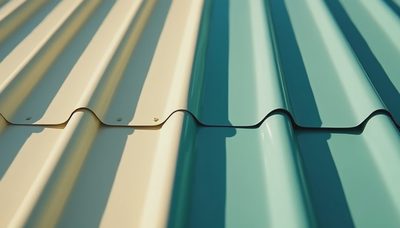
Most systems use stamped steel panels or shingles covered with a protective metallic coating and bonded stone granules. The steel provides structural strength, while the granules create texture, color, and a less industrial appearance. Depending on the product, panels can resemble architectural shingles, slate, or Mediterranean tile without carrying the same weight as traditional masonry materials.
A properly installed roof can last several decades, although the exact service life depends on the metal substrate, coating system, ventilation, flashing, weather exposure, and installation quality. The roof is not maintenance-free. Gutters still need cleaning, fasteners and flashing should be inspected, and branches should not be allowed to scrape across the surface for years.
The biggest advantage is often longevity rather than a dramatic monthly energy saving. Asphalt shingles commonly have lower upfront pricing, but they may require replacement sooner. Stone coated metal roofing can make sense for a homeowner who expects to stay in the property, wants strong wind and hail performance, or is tired of planning another roof project every 15 to 25 years.

Cost, value, and the bid you receive
Installed pricing varies widely because roof size, pitch, tear-off layers, access, underlayment, flashing, ventilation, and local labor all affect the estimate. A reasonable planning range for stone coated metal roofing is often about $10 to $18 per square foot installed, though complex homes and premium systems can run higher. A 2,000-square-foot roof surface could therefore represent roughly $20,000 to $36,000 before unusual structural repairs or upgrades.
Do not compare that number with a basic asphalt quote without adjusting for expected life and included components. One contractor might include chimney flashing, ice-and-water protection, ridge ventilation, and disposal. Another might list only the visible roofing material. Those are not equivalent bids.
Ask each roofer to identify the product manufacturer, panel or shingle profile, base metal specification, coating warranty, workmanship warranty, underlayment, ventilation plan, flashing method, and tear-off assumptions. A bid that is $6,000 cheaper can stop looking cheaper after you discover that decking repairs, new pipe boots, and disposal were excluded.
Financing deserves equal scrutiny. A five-year loan with a higher payment may cost less overall than a long promotional term with substantial interest. Read the total repayment amount, not just the monthly figure. Don’t bundle confusion into the biggest check you write this year.
Is it a good roof for solar?
Stone coated metal roofing can be a strong platform for solar, but the installation method matters. Some metal roof profiles allow solar attachments to connect through seams or approved mounting points, reducing the number of penetrations. Other systems require carefully sealed penetrations through the roof deck. The solar contractor and roofer must agree on the attachment method before either company starts work.
If your existing roof has only a few years left, replace or evaluate it before installing solar. Removing panels later for a roof replacement can add several thousand dollars in labor, and some installers charge separate fees for removal and reinstallation. A newer roof does not automatically make solar financially sensible, but an aging roof can make a rushed solar purchase much more expensive.
The cleanest sequence is usually roof inspection, solar production estimate, roof replacement if needed, then solar installation. Get written confirmation about who owns responsibility for leaks around mounting points. The roofer may warranty the roofing work while the solar company warranties the equipment, leaving homeowners frustrated if the boundary is vague.
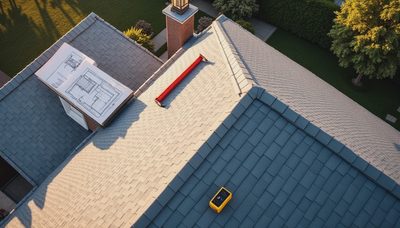
Solar also changes the roof layout. Vents, skylights, valleys, chimneys, and future repairs can reduce usable panel space. Have both companies mark the proposed array on a roof plan before signing. A combined project can save scheduling time, or it can hide two contractors who never actually coordinate.
Storm performance and insurance questions
Metal roofing is often selected in areas exposed to high winds, hail, hurricanes, or heavy rain. That does not mean every product is automatically superior in every storm. Look for documented ratings appropriate for your location, including wind uplift and impact performance where relevant. Installation details, especially edge fastening and flashing, can determine whether the roof performs as intended.
Call your insurance agent before ordering materials. Some carriers offer discounts for qualifying impact-resistant roofing, while others require documentation such as the product approval, installation invoice, or inspection report. A discount is not guaranteed, and it should not be used to justify a roof that does not fit your budget or house design.
Also ask how the policy handles matching materials after a covered loss. If a storm damages one section years later, finding the same color and profile may be difficult. The insurer may repair the damaged area, pay for a broader replacement, or apply policy limits and exclusions. The answer depends on the policy and state rules, so get the explanation in writing before installation.
Warranty details that actually matter
A long material warranty sounds impressive, but it is only one part of the protection. Manufacturer warranties commonly address coating defects, corrosion, or premature deterioration under stated conditions. They may not cover poor ventilation, improper fasteners, installation errors, salt exposure, ponding water, or damage caused by foot traffic and severe weather.
The workmanship warranty belongs to the contractor, not necessarily the manufacturer. Ask how long it lasts, what it covers, and whether it remains valid if the company closes, changes ownership, or stops serving your area. Confirm whether the installer is approved by the manufacturer and whether registration is required after the project.
Save the contract, product labels, color information, photographs of flashing before concealment, permit records, and final inspection documents. Those records can help with future repairs, resale questions, and insurance claims. A roof is easier to defend when you can show exactly what was installed and how.
How to choose without rushing
Start by hiring an independent inspector or reputable roofer to determine whether the roof needs replacement now. If the decking is sound and the problem is limited to flashing or a small damaged section, replacement may not be the best first move. If solar is under consideration, request an array layout and roof-life assessment before accepting an equipment proposal.
Collect at least three detailed bids. Compare the same assumptions: tear-off, disposal, underlayment, ventilation, flashing, permits, gutters, skylights, and structural repairs. Ask contractors to explain why their recommended system fits your roof rather than simply describing it as “premium.”
Stone coated metal roofing is usually worth serious consideration when long service life, storm resistance, appearance, and reduced replacement frequency matter more than the lowest initial price. It is less compelling when the home may be sold soon, the budget cannot absorb a premium roof, or a contractor cannot clearly explain installation and warranty responsibility.
The right order matters as much as the right product. Evaluate the roof first, model the total project cost, coordinate solar only after the roof plan is settled, and verify insurance and warranty details before signing. That process will not make every expensive roof decision easy, but it can keep a confident sales pitch from becoming an avoidable repair bill.