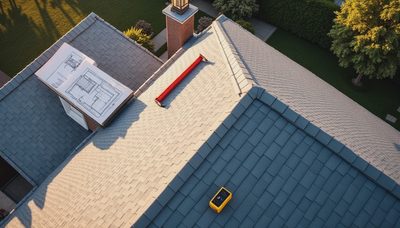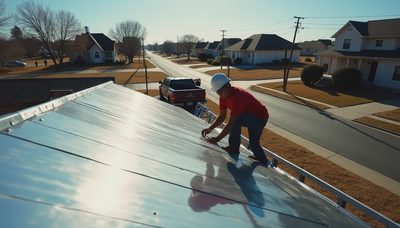
If you are comparing types of metal roofing, start with the job your roof must do, not the sample colors on a contractor’s truck. A metal roof can last for decades, shed rain quickly, and work well beneath a future solar array. It can also cost more upfront, amplify installation mistakes, or create warranty confusion when a roofing crew and solar installer are not coordinating.
The practical question is not simply whether metal is better than asphalt shingles. It is which panel style, metal, coating, and installation method fit your climate, roof shape, budget, and long-term plans. Start with the roof, not the pitch. A careful comparison now can prevent a tear-off, solar removal, or leak repair later.
The main types of metal roofing
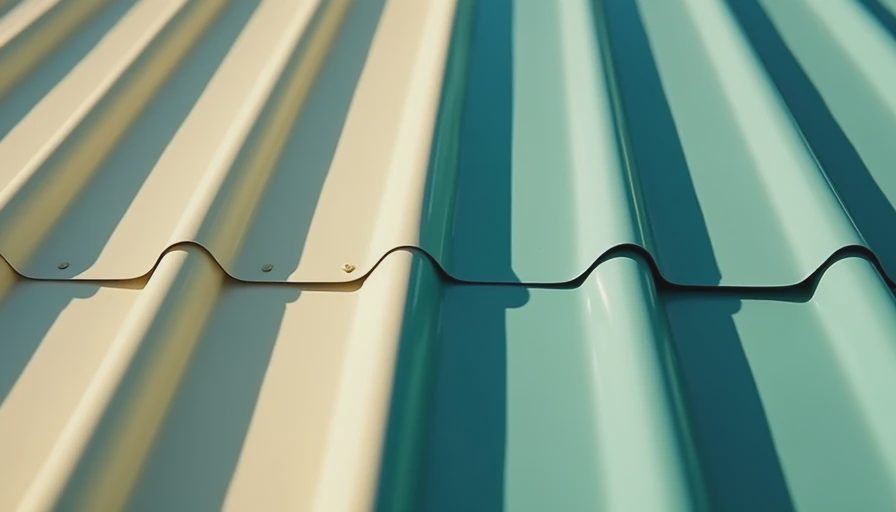
The most common residential option is exposed-fastener corrugated metal, usually made from galvanized steel or Galvalume-coated steel. It has visible screws driven through the panel and into the roof framing or purlins. This style is often the least expensive metal choice, with installed pricing commonly landing around $6 to $12 per square foot, depending on access, tear-off, underlayment, flashing, and local labor. It is practical for sheds, farm buildings, cabins, and some homes, but the fasteners and washers eventually need inspection.
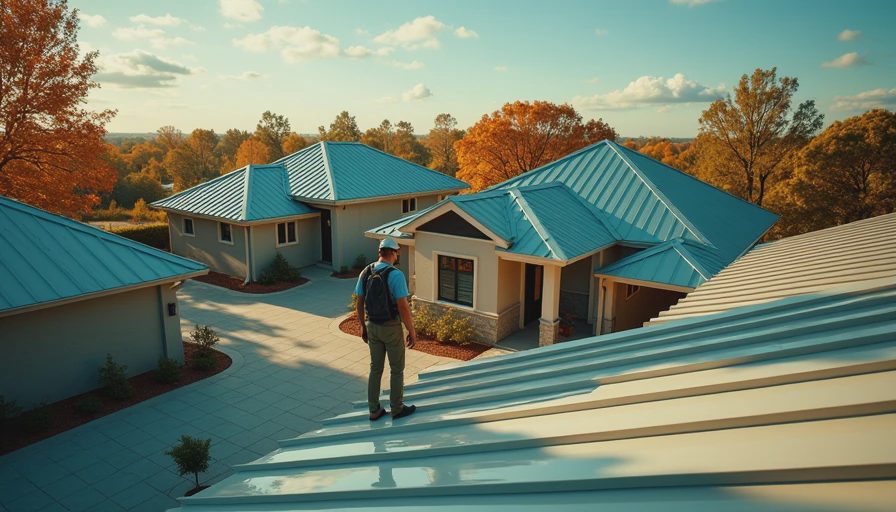
Standing-seam metal roofing uses concealed clips or fasteners, with raised seams that lock adjacent panels together. It usually looks cleaner and handles expansion and contraction better than an exposed-fastener system. Installed costs often fall near $9 to $16 per square foot, though complex valleys, dormers, skylights, and premium finishes can push the number higher. Standing seam is also the style most homeowners consider when they want a durable roof with a modern appearance and fewer exposed penetration points.
Metal shingles, shakes, and tile-style panels are formed to resemble traditional roofing materials. They can suit neighborhoods where a large commercial-looking roof would feel out of place. Aluminum, steel, and sometimes copper are used for these products. They generally cost more than basic corrugated panels because the shapes, trim, and installation take additional time.
Choosing the right metal for your climate
Steel is the workhorse of residential metal roofing. Galvanized steel has a zinc coating, while Galvalume combines aluminum and zinc for corrosion resistance. Both can perform well when the coating, cut edges, fasteners, and flashing are properly specified. In coastal areas, salt air deserves special attention; a contractor should explain the product’s corrosion protection rather than simply promise that any metal will last.
Aluminum is lighter and naturally resistant to rust, making it attractive near the coast. It is softer than steel, however, so hail and careless ladder placement can leave dents. Aluminum also expands and contracts noticeably with temperature changes, which makes panel details and fastening methods important.
Copper is the premium option. It can last for many decades and develops a distinctive patina, but material and labor costs can be several times higher than standard steel. Copper is usually a design decision, not a value choice. Zinc offers another high-end appearance and long service life, but it requires an experienced installer and a budget that can support specialty materials.
When reviewing types of metal roofing, ask for the base metal, thickness or gauge, coating description, paint finish, fastener type, and warranty terms in writing. A label such as “lifetime finish” does not explain how the product performs after hail, salt exposure, or repeated temperature swings.
How metal roofing changes the solar decision
Metal roofing and solar can work together, but the attachment method depends on the panel design. Standing-seam roofs often allow solar installers to use clamps attached to the seams, reducing the number of holes drilled through the roof. That does not make every standing-seam installation automatically simple. The roof structure, seam spacing, panel condition, and wind requirements still need review.
For exposed-fastener roofs, solar racking generally requires penetrations sealed with approved hardware and flashing. If the roof is already aging, installing solar first can create an expensive sequencing problem. A homeowner might pay to remove and reinstall panels when the roof needs replacement several years later. That is why the roof-first rule matters: inspect the roof, estimate its remaining useful life, then decide whether solar belongs in the same project.
A combined project can save money when one crew can coordinate staging, permits, and scheduling. It can also hide confusion about who is responsible for a leak. Your contracts should identify the roofing warranty, solar workmanship warranty, attachment warranty, and the party responsible for damage caused during removal or service. Do not bundle confusion into the biggest check you write this year.
Comparing cost, maintenance, and lifespan
The cheapest panel is not always the lowest-cost roof. A basic exposed-fastener system may reduce the initial estimate, but replacement washers, loose screws, faded coatings, and maintenance access can matter over time. Standing seam costs more at installation but may offer cleaner detailing and easier solar attachment. Metal shingles can deliver a residential appearance but often require more labor around hips, ridges, valleys, and wall intersections.
Ask each contractor to separate the estimate into tear-off, disposal, deck repairs, underlayment, flashing, ventilation, metal panels, trim, labor, permits, and optional upgrades. This makes it easier to compare two bids that appear far apart. A $24,000 quote and a $31,000 quote may not describe the same roof if one includes new chimney flashing and deck replacement while the other assumes the existing components are reusable.
A well-installed steel roof can serve for 40 to 70 years, while premium metals can last longer. Those ranges are not guarantees; ventilation, weather, coating quality, workmanship, and maintenance all matter. Plan to inspect the roof after major storms and have exposed fasteners, sealants, gutters, and flashing checked periodically.
Questions to ask before signing
Ask whether the contractor has installed the exact product being proposed, not merely “metal roofs” in general. Request photos of comparable work and confirm who performs the flashing around chimneys, skylights, vents, and solar attachments. Those transition points deserve more attention than the broad field of the roof.
Ask how the roof handles expansion and contraction, where snow or ice could collect, and whether the underlayment is appropriate for your climate. Confirm that the quote includes permits, ventilation work, replacement of damaged decking, and cleanup. Also ask what happens if a leak appears six months after installation: who inspects it, how quickly, and whether the warranty covers labor as well as materials?
If solar is part of your plan, tell the roofer before the estimate is finalized. The solar installer should review the proposed roof system before ordering equipment. Getting those teams aligned early is usually cheaper than correcting an attachment or warranty dispute after installation.
Making a decision without rushing
The best choice among types of metal roofing depends on the home’s remaining roof life, weather exposure, appearance requirements, and financing capacity. Corrugated steel can be a sensible value for the right structure. Standing seam is often the strongest fit for homeowners prioritizing concealed fasteners and future solar flexibility. Aluminum deserves consideration in coastal conditions, while copper and zinc belong in carefully planned premium projects.
Get at least three detailed bids, but compare specifications rather than headline prices. If a contractor pressures you to sign before explaining the metal, coating, flashing, and solar sequence, slow the process down. The right order matters as much as the right product. A durable roof can support a future energy upgrade; a rushed roof decision can make that upgrade harder and more expensive.
Before committing, place the roof inspection, written scope, warranty terms, solar plan, and financing math in one folder. That simple record gives you a clearer basis for choosing the roof that protects the house first and supports your next project second.