Corrugated metal is often discussed as a style choice, but for a homeowner planning roof replacement, it is really a sequencing and long-term cost decision. The panels can provide a durable roof surface and a clean base for future solar, yet the material does not automatically make every project cheaper or easier. Start with the roof, not the pitch. Before approving an estimate, understand how the panels perform, what they cost, and how installation affects warranties, insurance, and solar timing.
What corrugated metal roofing actually offers
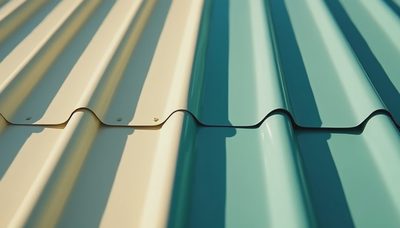
Corrugated metal uses repeating ridges and valleys to add strength to relatively thin metal sheets. Common options include galvanized steel, galvalume-coated steel, and aluminum. Steel is usually the practical middle ground for residential work, while aluminum can make sense in coastal areas where salt exposure is a concern. The finish may be painted, stone-coated, or left with a more industrial appearance.
A properly installed corrugated metal roof can last several decades, especially when fasteners, flashing, ventilation, and coatings are maintained. It is lighter than many tile products and can shed rain quickly. The tradeoff is that the panels can transmit rain and hail noise more clearly than asphalt shingles, particularly over an unfinished attic. Underlayment, insulation, and attic ventilation make a noticeable difference.
The word “metal” also hides important quality differences. A low bid using thin panels, exposed fasteners, and minimal flashing should not be compared directly with a higher bid using concealed clips, heavier-gauge steel, and custom roof penetrations.
Cost, lifespan, and the roof-first calculation
For many U.S. homeowners, corrugated metal roofing costs more upfront than architectural asphalt shingles. A straightforward replacement may land around $8,000 to $18,000 for a modest home, while a complex roof with steep slopes, multiple dormers, tear-off work, or premium panels can move well above $25,000. Local labor, material thickness, access, and permit requirements drive the final number.
That higher starting price only makes sense if the roof will remain serviceable long enough to justify it. Ask the contractor to separate the estimate into tear-off, decking repairs, underlayment, panels, trim, flashing, ventilation, disposal, and labor. This prevents a low headline price from concealing large allowances for plywood or chimney work.
A roof that is already near the end of its useful life should generally be replaced before solar panels are installed. Removing and reinstalling solar later can add several thousand dollars, create scheduling problems, and complicate responsibility if damage occurs. If the roof has only a few damaged areas and solid decking, a repair may be reasonable. If leaks are recurring or the shingles are brittle, combining decisions now usually creates a cleaner project.
How corrugated metal works with solar panels
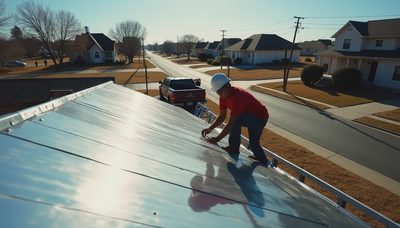
Solar can be installed over many corrugated metal roof systems, but the attachment method matters. Standing-seam panels may allow installers to use seam clamps that avoid drilling through the roof surface. Exposed-fastener panels often require carefully sealed penetrations, which makes flashing quality and long-term seal maintenance especially important.
Ask both contractors to identify the exact attachment points before signing either agreement. The roofing bid should explain how it will handle solar conduit, vents, skylights, and any future array location. The solar bid should state who supplies flashing, who owns roof penetrations, and who returns to correct a leak if the source is disputed.
Solar equipment also needs usable roof life. A new roof with a documented installation date gives the array a stable foundation. It may also make future insurance conversations simpler, although coverage depends on the policy, carrier, roof condition, and local underwriting rules. Do not assume a solar warranty covers roofing labor or water damage; those are often separate responsibilities.
The right order for a combined project
The cleanest sequence is roof inspection, written scope, roof replacement, solar design confirmation, solar installation, inspection, and utility approval. In practice, the solar company may need to design around the final roof dimensions before roofing begins. That is why the two bids should be reviewed together rather than accepted weeks apart.
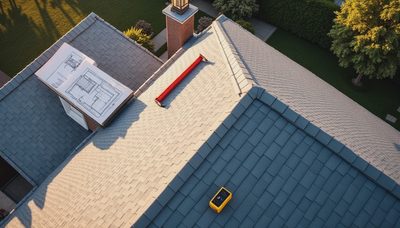
First, have a qualified roofer inspect decking, ventilation, flashing, and structural conditions. Next, confirm that the proposed array avoids planned roof penetrations and leaves access paths required by local rules. During roofing, photograph the deck, underlayment, flashing, and attachment areas before panels cover them. Afterward, the solar installer should verify that the final roof matches the engineering plan.
A combined project can save money through coordinated scheduling, but it can also hide confusion. One contractor may say the other is responsible for a leak, a delayed inspection, or a damaged panel. Put the handoff in writing, including contact names, correction timelines, and payment milestones.

Warranty, insurance, and maintenance questions
Before choosing corrugated metal, request the manufacturer warranty and the contractor’s workmanship warranty separately. A product warranty may cover coating failure or corrosion under stated conditions, while workmanship coverage addresses installation errors. Neither document necessarily covers storm damage, poor maintenance, condensation, or modifications made by a later solar crew.
Insurance companies commonly evaluate roof age, material, condition, wind resistance, and loss history. Metal roofing is not automatically cheaper to insure, and a discount is not guaranteed simply because a roof is described as impact-resistant. Ask your carrier how it treats the specific material and whether installation documentation, permits, or wind-mitigation information is required.
Maintenance is modest but not zero. Keep valleys, gutters, and roof edges clear of debris. Inspect exposed fasteners and sealant after severe weather. Look for rust, lifted panels, loose trim, and stains in the attic. A small repair handled early might cost a few hundred dollars; ignored water entry can spread into insulation, drywall, framing, and electrical areas.
Questions to ask before accepting a bid
Ask what gauge and coating the panels use, whether fasteners are exposed, and how the contractor will flash walls, chimneys, vents, and skylights. Ask whether the price includes removal of the existing roof or installation over it, and request the conditions that would trigger additional decking charges.
For a solar-ready project, ask where the array will sit, how mounting hardware connects to the panels, and whether the roof warranty remains valid after solar installation. Confirm who pulls permits, who schedules inspections, and who handles utility interconnection. Get the answers in the contract rather than relying on a salesperson’s verbal explanation.
It is also worth comparing the full ownership picture. A $12,000 asphalt roof replaced again in 20 years is not automatically a better value than a $20,000 corrugated metal roof that remains sound longer. Conversely, paying for premium metal on a home you may sell soon may not return the entire added cost. Your timeline, climate, roof geometry, financing, and solar plans should drive the choice.
A sensible decision for homeowners
Corrugated metal can be a strong fit when durability, lighter weight, storm exposure, and future solar planning matter more than the lowest initial price. It is less compelling when a homeowner needs the cheapest immediate replacement, dislikes rain noise, or is working with a roof structure that requires extensive repairs before any new covering is installed.
Get one roof inspection, at least two detailed roofing bids, and a solar layout before committing to a combined project. Compare the scopes line by line, not just the monthly payment. The right order matters as much as the right product. If the numbers work, replace the roof first, document every concealed layer, and let the solar installation follow a clear written handoff. Don’t bundle confusion into the biggest check you write this year.