
Repair of roofing is rarely just a maintenance question when you own an older home or are considering solar panels. A loose shingle, soft deck, or flashing failure can look like a $500 service call until water reaches insulation, drywall, or electrical wiring. The smarter decision starts with the roof, not the pitch: determine whether a targeted repair will protect the house, whether replacement is approaching, and whether solar should wait.
Start with the roof problem, not the product pitch
A qualified roofer should inspect the roof surface, flashing, valleys, penetrations, gutters, attic, and roof decking before recommending work. Ask for dated photographs and a written explanation of the cause, not just a total price. A few missing shingles after wind damage can often be addressed without disturbing the rest of the roof. A recurring leak near a chimney may require new counterflashing rather than another bead of exterior sealant.
Common repair costs range from roughly $300 to $1,500 for small leaks, damaged flashing, or limited shingle replacement. More involved work, such as replacing wet decking or repairing several roof sections, can run $1,500 to $5,000. Those figures depend on roof height, access, materials, local labor, and hidden damage. The cheapest quote is not automatically the best quote if it does not identify why the leak started.
Age changes the calculation. An asphalt-shingle roof that is nearing the end of its expected service life may not be a good candidate for repeated patching. Spending $1,200 today and another $3,000 next year can be worse than planning a replacement while the structure is still dry. Repair of roofing makes sense when the remaining roof is sound; it becomes false economy when every storm reveals another weak area.

How to decide between repair and replacement
Look for patterns rather than one isolated defect. Replacement deserves serious consideration when shingles are brittle across large areas, granules collect heavily in gutters, the roof has widespread curling, or the decking feels soft in multiple locations. Interior clues include brown ceiling stains, damp attic insulation, musty odors, and daylight visible through the roof assembly. A roofer should also tell you whether the existing layers comply with local requirements and whether a tear-off is needed.
A practical decision process has four steps. First, confirm the leak location and source. Second, ask how much usable life remains in the existing roof. Third, compare the repair price with a replacement estimate, including ventilation, flashing, disposal, and permits. Fourth, consider your plans for the next five to ten years. If you expect to sell soon, a documented repair may be sensible. If you plan to stay and want solar, replacement could prevent paying twice for labor.
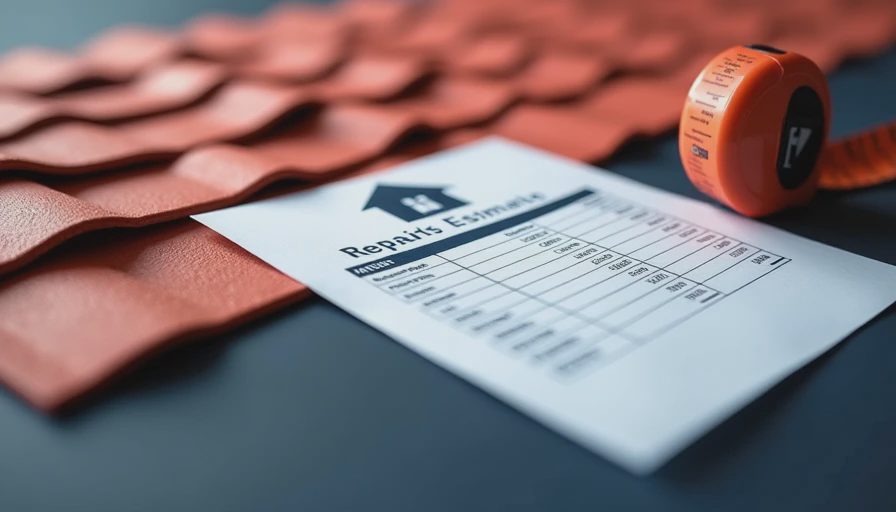
Do not let a contractor use repair of roofing as a vague line item. The estimate should name the materials, affected square footage, flashing details, warranty terms, cleanup responsibility, and payment schedule. Be cautious about large deposits, pressure to sign immediately, or a bid that says “fix leak” without explaining the repair method.
Why solar changes the timing
Solar panels are designed to remain in place for decades, while roofing problems rarely improve underneath them. Removing and reinstalling a solar array can cost several thousand dollars, depending on system size, mounting hardware, roof height, and electrical work. That is why a roof with only a few years of dependable life left should usually be evaluated before solar contracts are signed.
The cleanest sequence is often roof inspection, roof decision, roof work, solar design, then solar installation. A combined project can save money through coordinated scheduling, but it can also hide confusion about who owns each task. A roofing company may not be responsible for panel performance, while a solar installer may not warranty roof leaks caused by penetrations. Put those boundaries in writing.
Ask the solar company whether its mounting system is compatible with your roof material and whether it will coordinate permits, utility interconnection, and temporary panel removal if needed. Ask the roofer how flashing and attachment points will be handled. Repair of roofing before solar can be the right middle path when the roof is generally healthy and the affected area will not sit beneath panels.
Insurance, warranties, and storm damage
Homeowners insurance generally addresses sudden, covered events such as wind or hail, subject to the policy deductible and exclusions. It typically does not pay for gradual deterioration, deferred maintenance, or an old roof simply reaching the end of its life. Photograph the roof and interior before work begins, save invoices, and report storm damage promptly if you intend to file a claim.
Insurance and contractor warranties are different. A workmanship warranty covers the installer’s work under its terms, while a manufacturer warranty concerns the roofing product. Neither one automatically covers every future leak. If solar is present, identify whether the roofer or solar contractor will handle removal, reinstallation, penetrations, and resulting interior damage. Repair of roofing after a storm should include a clear record of what caused the damage and what was actually replaced.
Avoid signing an assignment of insurance benefits without understanding it. Ask whether the contractor will communicate directly with the carrier, whether your deductible remains your responsibility, and whether the proposed work is necessary or simply an upgrade. A reputable contractor can explain the process without promising that an insurer will approve a particular scope.
A homeowner checklist before signing
Get at least two written roof evaluations, especially when one recommendation is repair and another is full replacement. Compare the inspection photos, not just the totals. Confirm the contractor’s license and insurance requirements for your state, look for a physical business address, and check references for similar roof types. Verify who pulls permits and who schedules inspections.
For repair of roofing, request the expected start date, weather-delay process, material brand and color, cleanup plan, and payment milestones. Never assume a verbal promise about attic ventilation, skylights, gutters, or solar coordination is included. If the roof is being replaced before panels, ask for a roof plan showing equipment locations and reserve materials for future repairs.
Keep every document in one folder: inspection reports, estimates, receipts, photos, permits, warranties, and insurance correspondence. That file can help with future claims, resale questions, and maintenance decisions. It also makes it easier to identify whether a new leak is connected to old work or a later installation.
The right order protects your budget
The best repair of roofing is not necessarily the most expensive option, and the best solar project is not necessarily the fastest one. A sound roof can support careful planning; a failing roof can turn solar savings into a second construction bill. Start with an independent roof assessment, price the repair and replacement paths, and then ask solar companies to design around the decision you actually made.
In my experience, homeowners get into trouble when a sales appointment creates urgency before anyone has inspected the attic or discussed roof age. Slow the process down enough to separate structural needs from optional upgrades. A combined project may be efficient, but only when scope, warranties, scheduling, and payment responsibility are clear. Don’t bundle confusion into the biggest check you write this year.