
The average roof replacement cost is usually one of the largest exterior-project expenses a homeowner faces, and the first estimate rarely tells the whole story. A basic asphalt roof might cost around $8,000 to $18,000, while a large, steep, or complex roof can move well beyond $25,000. Before you compare contractor totals, understand what drives the number and whether solar should be part of the conversation.
What drives the average roof replacement cost?
Roof size is only the starting point. Contractors price roofing by the square, with one square covering 100 square feet of roof surface. A 2,000-square-foot home may have far more than 20 roofing squares because of roof pitch, overhangs, garages, porches, and other sections. The average roof replacement cost rises as the roof becomes steeper or harder to access because crews need additional safety equipment and time.
Material selection creates another major gap. Architectural asphalt shingles commonly fall in the middle of the market, while basic three-tab shingles can cost less. Metal roofing often costs approximately $12,000 to $30,000 or more for a typical home, depending on the panel system and installation details. Clay tile, concrete tile, and premium slate can push a project above $40,000. Those materials can offer different lifespans, appearance, and maintenance needs, but a higher initial price does not automatically mean a better fit for your house.
Labor, tear-off, disposal, flashing, ventilation, and permits also belong in the estimate. If the contractor finds rotten decking, damaged rafters, or old layers that cannot remain, the final bill can increase by several thousand dollars. Ask whether the quote includes synthetic underlayment, ice-and-water protection, drip edge, ridge venting, chimney flashing, cleanup, and permit fees. Missing line items are often where a supposedly cheap bid becomes expensive.

Regional pricing and realistic examples
Location affects the average roof replacement cost because wages, building requirements, weather, disposal fees, and insurance-related demand differ across the country. A modest ranch home in a low-cost market may receive asphalt bids around $9,000 to $14,000. The same roof in a high-cost metro area, or one requiring extensive tear-off and code upgrades, could receive bids closer to $18,000 or $24,000.
Consider a practical example: a 2,200-square-foot home with an uncomplicated asphalt roof might need 24 to 28 roofing squares. If the contractor charges $450 to $700 per square for materials and labor, the base project could land between roughly $10,800 and $19,600 before repairs, taxes, or premium accessories. A steep roof, multiple dormers, or two layers of existing shingles could raise the total.
Get at least three written estimates, but do not compare only the bottom-line number. One contractor may include full tear-off and new plywood allowances, while another may price only the visible shingle installation. A fair comparison uses the same material grade, ventilation plan, warranty terms, and cleanup scope.
Should you replace the roof before adding solar?
If your roof has less than about 10 years of dependable life remaining, replacing it before solar is usually the cleaner sequence. Solar panels can last 25 years or longer, but removing and reinstalling them for a future roof project can cost several thousand dollars. That extra labor can erase the savings a homeowner thought the solar project created.
The average roof replacement cost should therefore be included in the full solar decision, not treated as a separate surprise. If the roof is sound, a solar installation may proceed after an inspection confirms the shingles, flashing, structure, and attachment areas are suitable. If the roof is questionable, get the roof work completed first, allow the contractor to document the installation, and then schedule solar.
A combined project can save money through coordinated scheduling, shared inspections, or reduced duplicate labor. It can also hide confusion about who handles leaks, damaged shingles, flashing failures, or warranty claims. Start with the roof, not the pitch. The right order matters as much as the right product.
How to read a roofing estimate
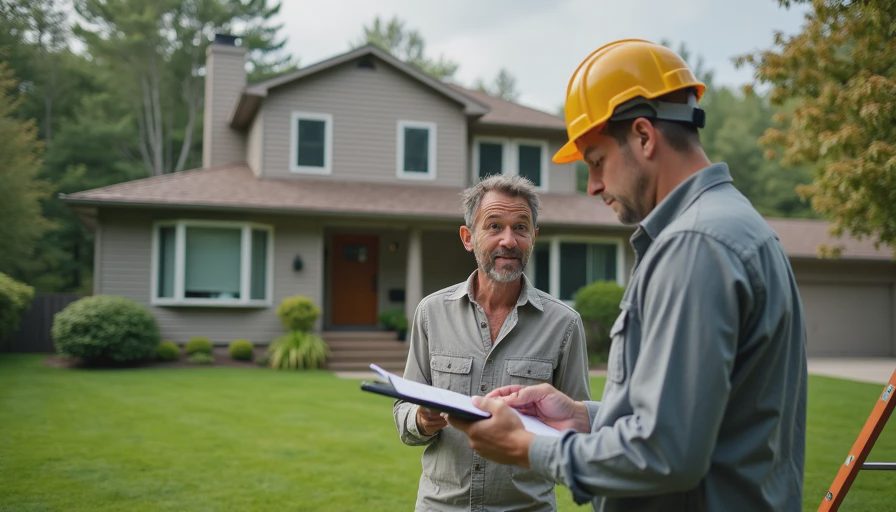
A professional estimate should identify the roof area, material brand and product line, removal method, number of existing layers, underlayment, flashing, ventilation, decking allowance, labor, disposal, permits, payment schedule, and warranty. “Lifetime shingles” does not mean the roof will last forever; it generally describes a limited manufacturer warranty subject to installation and maintenance conditions.
Ask whether the contractor is using a manufacturer-approved installation system and whether workmanship coverage is separate from the shingle warranty. Request the name and cost of any optional upgrades, such as copper flashing, premium ridge caps, enhanced ventilation, or impact-resistant shingles. Those upgrades can be useful, but they should be priced clearly rather than folded into vague package language.
Do not pay the entire amount upfront. A deposit followed by progress payments is more reasonable, with the final payment due after cleanup, inspection, and completion of agreed punch-list work. Verify licensing, insurance, references, and the contractor’s physical business information. A polished truck and a short-term discount are not substitutes for documentation.
Insurance, repairs, and long-term planning
Homeowners insurance generally covers sudden damage from covered events, such as wind or hail, but it usually does not pay to replace an aging roof simply because it has reached the end of its useful life. Your deductible applies to covered claims, and some policies handle older roofs differently from newer roofs. Do not file a claim based only on a contractor’s suggestion; document storm damage and understand your policy first.
Insurance can also become more complicated when solar panels are installed. Ask whether your dwelling coverage and personal property or other structures coverage address the equipment, and whether your insurer requires updated limits. A solar installer should provide documentation, but the insurance decision belongs in your homeowner planning rather than at the end of installation.
The average roof replacement cost is easier to manage when you separate urgent repairs from desirable upgrades. Fix active leaks and structural problems first. Then compare material life, energy goals, financing costs, and resale plans. A $16,000 roof financed over several years can cost substantially more than its cash price, so compare the annual interest rate and total repayment rather than focusing only on the monthly payment.
A calmer way to choose your next step
Begin with an independent roof inspection and detailed measurements. Photograph damaged areas, attic moisture, exposed decking, and existing solar equipment if applicable. Ask two or three contractors for itemized estimates using the same scope. If solar is part of your plan, tell every roofer and installer before signing so attachment points, warranties, and scheduling can be coordinated.
For many homeowners, the smartest answer is not the cheapest shingle or the largest solar array. It is a durable roof, a transparent contract, and a project sequence that avoids paying twice for access and removal. Review the average roof replacement cost alongside financing, insurance, and future maintenance. Don’t bundle confusion into the biggest check you write this year.