If you are comparing roof replacement bids or planning to add solar, tpo roofing deserves a closer look. This single-ply membrane is common on commercial buildings, but it is also being used on low-slope residential roofs, additions, garages, and modern homes. The material can offer a clean installation and dependable weather protection, but it is not automatically the best answer for every house.
The important question is not simply whether the membrane is popular. It is whether your roof structure, drainage pattern, budget, climate, and future solar plans make sense for it. Start with the roof, not the pitch. A combined roof-and-solar project can save money, or it can hide confusion about warranties, scheduling, and who is responsible when something goes wrong.
What TPO Roofing Is and Where It Works Best
TPO stands for thermoplastic polyolefin, a flexible roofing membrane made from a blend of polypropylene and ethylene-propylene rubber. Sheets are rolled across the roof and joined with hot-air-welded seams. Unlike asphalt shingles, the system creates a broad water-resistant surface rather than relying on many overlapping pieces.
TPO roofing is especially well suited to low-slope roofs where rainwater cannot run off as quickly as it does on a steep roof. It is common on flat-roofed additions, porches, townhome sections, and contemporary houses. White or light-colored membranes can also reflect a meaningful amount of sunlight, which may help reduce heat absorption in a roof assembly during hot weather.
That does not mean a white membrane will transform an inefficient home into a low-cost home. Insulation, ventilation, windows, ductwork, and HVAC performance still matter. A contractor should inspect the deck, flashing, drains, insulation, and edge details before recommending a membrane. A low bid that ignores ponding water or damaged decking is not a bargain; it is a delayed repair bill.

TPO Roofing Cost and the Details Behind the Bid
Installed tpo roofing often falls in the broad range of about $5 to $12 per square foot, though access, tear-off, insulation, deck repairs, drainage work, and local labor can move the number substantially. For a 2,000-square-foot roof area, that suggests roughly $10,000 to $24,000 before unusual structural repairs or premium accessories. Roof area is larger than the home’s living area, so do not compare a contractor’s square-foot price with your tax-assessor floor plan.
Ask each bidder whether the price includes removal of the old roof, disposal, replacement of wet insulation, deck repairs, metal edging, flashing, pipe boots, walk pads, permits, and final cleanup. Also ask whether the proposal specifies membrane thickness. A 45-mil and a 60-mil membrane are not identical products, and the cheapest material line may not provide the durability you expect for a roof that is difficult to access later.
The warranty deserves equal attention. Material warranties generally come from the manufacturer, while workmanship coverage comes from the installing contractor. Those are separate promises. Get the term, exclusions, maintenance requirements, and process for reporting a leak in writing instead of relying on a sales conversation.
How TPO Roofing Compares With Other Roof Systems
TPO roofing competes most directly with PVC and EPDM on low-slope applications. PVC is also heat-welded and can perform well around certain chemical exposures, but it often carries a higher material price. EPDM is a rubber membrane with a long history on low-slope roofs, usually installed in black or white versions. Modified bitumen remains another familiar option, particularly on smaller residential flat roofs.
Asphalt shingles are usually the simpler choice for a conventional steep-slope roof. They are widely available, easier for many local roofers to install, and often less expensive for a standard replacement. A contractor who recommends tpo roofing for a sharply pitched roof should explain the drainage, appearance, flashing, and fastening logic in detail. The product should solve a roof problem, not create a more complicated system because it sounds modern.
Durability depends heavily on installation. Seam quality, perimeter attachment, penetrations, drainage, and protection from foot traffic matter as much as the membrane brand. A strong product installed around a clogged drain is still a vulnerable roof.
TPO Roofing and Solar: Get the Order Right
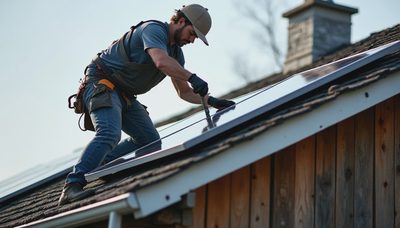
If solar is part of your plan, tpo roofing can work with a photovoltaic array, but the sequence matters. The roof should be inspected and replaced first when it is near the end of its useful life. Mounting solar panels over a roof that needs replacement can force you to pay for panel removal and reinstallation later. That work can easily add several thousand dollars, depending on system size, wiring, access, and the companies involved.
A solar installer should not simply say the roof looks fine from the driveway. Request a roof-specific assessment from a qualified roofer, including the membrane’s age, visible seam condition, flashing, insulation, drainage, and expected remaining service life. If the roof has only a few years left, replacing it before solar is usually cleaner than hoping both systems age at the same pace.
The mounting method also matters. Ballasted systems, attached racking, and other designs create different loads, penetrations, maintenance needs, and warranty questions. Make sure the roofing contractor and solar installer identify who seals penetrations, who repairs damage, and who returns equipment after a future roof repair. Do not bundle confusion into the biggest check you write this year.

Questions to Ask Before Signing a TPO Roofing Contract
Start by asking for a roof plan, not just a one-page total. The plan should show drains, vents, curbs, edges, seams, insulation, and areas requiring deck replacement. Ask how water will move after installation and whether the contractor has included tapered insulation or additional drainage work where ponding is present.
Confirm the membrane manufacturer and thickness, adhesive or attachment method, flashing materials, edge-metal details, and workmanship warranty. Ask who will inspect the completed seams and whether the contractor is authorized to issue any enhanced manufacturer warranty. Authorization is not a substitute for skill, but it can clarify what inspection and documentation are required.
If solar is planned, put the schedule in writing. The roof should be completed, inspected, and documented before panels are installed. Request photographs of covered areas, membrane seams, and flashing. Those photos can be valuable if a leak appears after the solar work and the two companies disagree about responsibility.
Finally, check payment stages. A reasonable structure ties progress payments to visible milestones such as material delivery, tear-off, dry-in, membrane completion, and final inspection. Avoid paying nearly the entire balance before the roof is finished.
Is TPO Roofing the Right Choice for Your House?
TPO roofing is a sensible candidate when you have a low-slope roof, reliable drainage, a qualified installer, and a clear plan for insulation and edge detailing. It can provide a clean surface, welded seams, reflective options, and useful flexibility for future solar planning. It is less compelling when a steep-slope roof already performs well with shingles, when the contractor cannot explain drainage, or when the bid is vague about deck repairs and warranty responsibility.
A practical decision starts with three documents: a roof inspection, a detailed replacement estimate, and a solar plan if panels are under consideration. Compare the remaining roof life with the solar financing term and the likely cost of removing equipment later. A $16,000 roof replacement may feel expensive, but adding panel removal, storage, reinstallation, and lost production later can make poor sequencing costlier.
The right order matters as much as the right product. Get two or three detailed proposals, separate roof and solar responsibilities, and choose the system that matches the building rather than the sales script. When the numbers and documents agree, tpo roofing can be a durable foundation for the next stage of your home project.