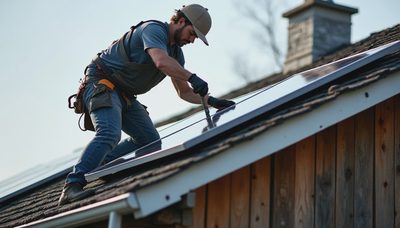
If you are asking how much does a new roof cost, you probably already see the warning signs: curling shingles, ceiling stains, loose granules in the gutters, or a roof that is approaching 20 years old. In the United States, a typical asphalt-shingle replacement often falls between $8,000 and $18,000, while a large or complicated home can run well above $25,000. The number depends on more than the shingle package. Roof size, pitch, tear-off work, ventilation, location, and hidden deck damage all affect the final check.
A useful estimate starts with the roof itself, not a financing offer or a solar sales pitch. Once you know the condition and scope of the project, you can compare bids without mistaking a low initial price for a low total cost.
Typical new roof prices by material
For a standard 1,500- to 2,000-square-foot home, architectural asphalt shingles are usually the most budget-friendly choice. A complete replacement commonly lands around $8,000 to $18,000, including removal of old roofing, underlayment, flashing, installation, and disposal. Basic three-tab shingles can cost less, but many homeowners choose architectural shingles for their appearance and longer expected service life.
Metal roofing typically costs about $14,000 to $35,000 for a similar home. Standing-seam metal is often at the higher end, while exposed-fastener panels can be less expensive. Metal can offer long service life and strong weather performance, but the installation details matter greatly around valleys, chimneys, skylights, and roof penetrations.
Clay or concrete tile commonly runs from $25,000 to $50,000 or more. Slate can exceed $40,000 and may require structural evaluation because of its weight. These materials can last for decades, but they are not automatically the best financial choice. A roof should match the home's structure, climate, resale plans, and maintenance budget.
When researching how much does a new roof cost, compare complete installed prices rather than material prices alone. A pallet of shingles does not include labor, permits, ice-and-water protection, ridge ventilation, flashing, or cleanup.

What makes a roofing estimate go up
Roof size is only one part of the calculation. A steep roof takes longer to work on and requires additional safety equipment, so labor costs rise. Multiple roof sections, dormers, skylights, chimneys, and tight access for a dumpster also add time. A simple ranch roof may be much less expensive than a similarly sized home with several angles and intersecting slopes.
The tear-off can reveal costs that were not visible during the first inspection. Rotten roof decking may cost roughly $75 to $150 per replaced sheet, depending on local labor and material prices. Damaged fascia, soffits, chimney flashing, and attic ventilation can add several hundred dollars or more. Ask each contractor to explain the unit price for these repairs before work begins.
Location matters, too. Roofing labor is generally more expensive in major metro areas, and seasonal demand can affect scheduling and bids. Storm-prone regions may require stronger fastening patterns or specific underlayment practices. In snowy areas, ice-barrier requirements can change the material list. These are legitimate differences, not automatically signs that a contractor is overcharging.
A practical bid should show the roof measurement, shingle brand and product line, number of layers being removed, underlayment, flashing plan, ventilation work, disposal, permits, warranty terms, and payment schedule. If the estimate simply says “new roof” with one large number, it is not detailed enough to compare.
Repair, replacement, or replacement before solar?
A roof that has a few damaged shingles may need a repair rather than a full replacement. A qualified roofer should inspect the attic, flashing, decking, and roof surface before recommending a major project. Repairs often cost a few hundred dollars, although extensive leak tracing or structural damage can push the bill higher.
Replacement becomes more sensible when the roof has widespread granule loss, repeated leaks, sagging areas, brittle shingles, or multiple failed repairs. The age of the roof matters, but age alone does not prove that every roof needs to be removed.
If solar is part of your plans, sequence the decisions carefully. Solar panels can remain in service for 25 years or more, while an older asphalt roof may have only five to ten useful years left. Installing panels first and replacing the roof later can mean paying for panel removal, storage, reinstallation, and possible electrical work twice. That added disruption can cost several thousand dollars.
Start with the roof, not the pitch. Get a roof inspection and written replacement estimate before accepting a solar proposal. A combined project can save money through coordinated scheduling, but it can also hide confusion about who owns the warranty, who pulls permits, and who pays if a roof leak appears beneath an attachment point.
How to compare three roofing bids
When considering how much does a new roof cost, gather at least three written proposals from established local contractors. Do not compare only the bottom line. One bid might include a full tear-off and upgraded ventilation, while another assumes a single-layer overlay and minimal flashing work.
First, confirm that every contractor measured the same roof area and identified the same number of existing layers. Next, compare product specifications. “Lifetime shingles” is not a universal performance promise; it is a manufacturer warranty category with conditions, exclusions, and workmanship requirements. Ask for the exact product name and warranty documents.
Then examine labor coverage. A manufacturer may cover defective materials while the contractor covers installation errors. Those are different protections. Ask how long workmanship is covered, whether the company remains in business locally, and who handles a claim if the contractor closes.
Finally, review payment terms. A modest deposit is common, but be cautious about paying the entire balance before materials arrive or work is completed. Confirm whether the price includes permit fees, cleanup, magnetic nail sweeping, and removal of old flashing. These details can separate a reliable $15,000 bid from a misleading $12,000 bid that grows during construction.
Paying for a new roof without losing the plot
Cash avoids interest, but many homeowners use a home improvement loan, home equity line of credit, personal loan, or contractor financing. Compare the annual percentage rate, loan term, origination fees, and total repayment amount. A $15,000 project can look affordable at $250 per month while costing substantially more over a seven-year term.
Homeowners insurance generally covers sudden damage from covered events, such as wind or hail, but it typically does not pay for gradual wear, age-related deterioration, or poor maintenance. If a storm caused the damage, photograph the roof and interior stains promptly, prevent further water intrusion, and review your deductible before filing a claim. Do not authorize unnecessary work based only on a door-to-door inspection.
Roofing warranties also deserve a close look. A workmanship warranty is different from a shingle manufacturer's warranty, and neither necessarily covers storm damage. Keep the contract, paid invoices, product information, inspection records, and photos in one folder.
A simple answer for your house
So, how much does a new roof cost? For many U.S. homeowners, a realistic planning range is $8,000 to $18,000 for architectural asphalt shingles, $14,000 to $35,000 for metal, and $25,000 or more for tile or slate. Your actual quote can move outside those ranges because of roof complexity, local labor, decking repairs, permits, and disposal.
Before choosing a contractor, schedule an inspection, confirm whether repair is reasonable, and request detailed bids that describe the same scope. If solar is under consideration, settle the roof decision first and put responsibility for removals, penetrations, and warranty claims in writing. The right order matters as much as the right product. Don’t bundle confusion into the biggest check you write this year.