
A drip edge is one of those roof components most homeowners never notice until it is missing, bent, or installed incorrectly. This thin strip of metal runs along the lower edges and often the rake edges of a roof, directing water away from the fascia and into the gutters. If you are comparing roof replacement bids or planning solar, understanding the drip edge can prevent a cheap-looking detail from becoming an expensive moisture problem.
I have reviewed enough roofing estimates to know that homeowners often focus on shingle brands, underlayment, and color while skipping the edge metal entirely. Start with the roof, not the pitch. A sound edge detail helps protect the roof deck, fascia boards, soffits, and gutter system for years after the crew leaves.
What a Drip Edge Does
The basic job of a drip edge is simple: move water off the roof and away from vulnerable wood. Without it, rain can run behind the gutters, soak the fascia, or travel under the shingles at the roof perimeter. Over time, that can contribute to stained wood, peeling paint, swollen trim, and hidden rot.
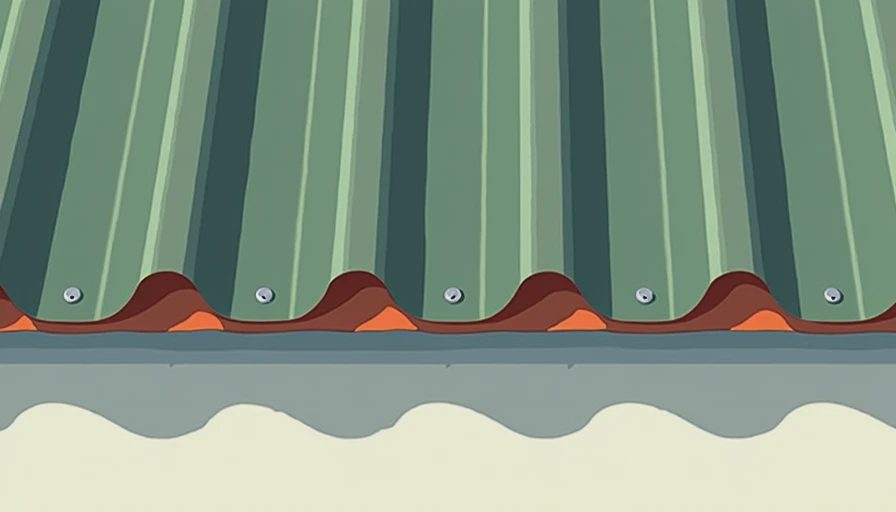
A drip edge also creates a clean transition between roofing materials and the home’s exterior. The vertical flange sits against the fascia or roof edge, while the horizontal flange extends beneath or beside the shingles. Proper installation depends on the roof design, local building requirements, and the sequence of underlayment, flashing, shingles, and gutters.
This detail matters even more in regions with heavy rain, wind-driven storms, or freeze-and-thaw cycles. In the Southeast, summer downpours can test every weak point around the roofline. In northern states, ice and snow can expose gaps that stay hidden during dry weather.
When Replacement Is Usually Needed
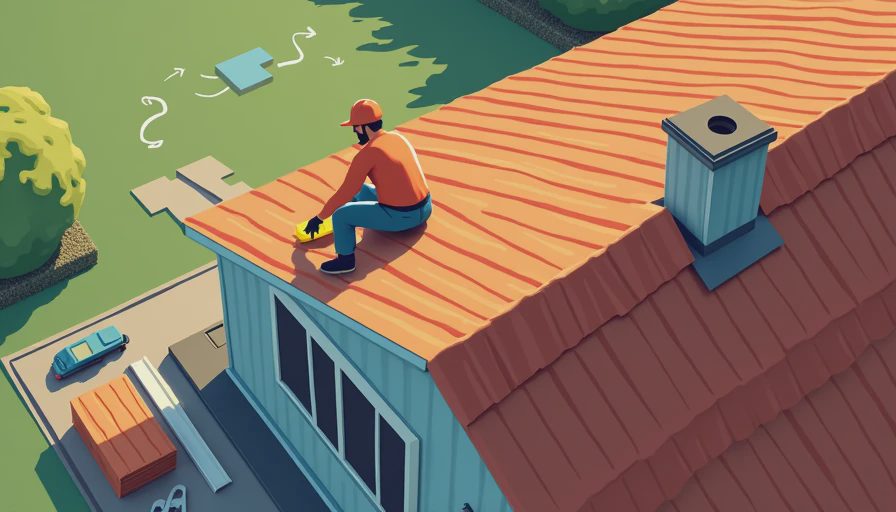
A roof replacement is the most practical time to inspect and replace the drip edge. Once shingles are removed, the contractor can see whether the metal is rusted, loose, bent, painted over, or absent along sections of the eaves and rakes. Installing new edge metal during a tear-off is generally cleaner than trying to force it under existing shingles.
Look for warning signs before requesting estimates. Rust spots, dark staining below the roof edge, separated gutter sections, exposed wood, and metal that moves when touched all deserve attention. A small gap does not automatically mean the entire roof is failing, but it should be included in the inspection and written scope.
On a repair, replacement may be limited to a damaged section. A roofer might remove a short run of shingles, install compatible metal, and restore the surrounding materials. That approach can cost roughly $150 to $600 for a small repair, depending on access and the amount of water damage. A full roof replacement usually includes edge metal as part of the overall labor and materials package, rather than as a dramatic standalone expense.
How to Read a Roofing Estimate
Do not accept a bid that says only “complete roof system” and assumes every important component is covered. Ask the contractor to identify the material, location, and installation method for the drip edge. The estimate should clarify whether it is included along eaves, rake edges, or both.
A useful question is, “What happens to the existing edge metal during tear-off?” The answer should explain whether the crew will remove and replace it, reuse it where appropriate, or install new sections only where needed. Reuse can be reasonable when metal is sound and removal will not damage it, but widespread bending, corrosion, or poor original installation makes replacement more sensible.
Also ask how the new metal relates to gutters and underlayment. Gutters should sit below the roof edge in a position that catches runoff without trapping water behind the fascia. The underlayment and flashing should be integrated rather than layered randomly. Clear answers are more valuable than a long list of premium product names.
Drip Edge and Solar Planning
Solar panels do not normally replace or repair a roof edge, but the timing of the projects can affect your total cost. If your roof is near the end of its useful life, replacing it before solar is usually the cleaner sequence. Solar panels, mounts, and wiring may need to be removed later for a reroof, creating extra labor that can run into the thousands.
During a roof-and-solar conversation, ask the roofing contractor and solar installer who is responsible for edge metal, flashing, penetrations, and warranty coverage. A combined project can save money—or hide confusion—when two companies assume the other one handled a detail. Put every responsibility in writing before signing.
The roof bid should still stand on its own. It should describe the decking inspection, underlayment, ventilation, flashing, shingles, gutters, and drip edge. The solar proposal should separately describe mounting hardware, roof penetrations, weather sealing, electrical work, and removal terms. Don’t bundle confusion into the biggest check you write this year.
Material, Color, and Cost Choices
Most residential edge metal is made from galvanized steel or aluminum. Steel is often rigid and cost-effective, while aluminum resists rust and is easier to shape. In coastal or especially wet environments, a contractor may recommend a corrosion-resistant option, but the right choice depends on the roof design and local exposure.
Color is primarily an appearance decision, though a matching finish can make the roofline look more deliberate. Common choices include white, brown, black, and colors matched to gutters or fascia. A typical full-roof replacement may include several hundred dollars of edge metal and installation within the larger project price. If a bid adds a surprisingly large separate charge, ask whether it includes fascia repair, gutter changes, or other work.
The cheapest material is not always the cheapest project. A thin piece installed loosely can fail sooner than a properly sized, securely fastened component. Ask to see a sample or product description, and make sure the scope covers the roof perimeter rather than just the front eave.
A Homeowner Inspection Checklist
Before comparing bids, walk around the house from ground level and take clear photos. Look at the lower roof edges, corners, rake boards, and the area directly above the gutters. Note rust, gaps, sagging gutters, exposed wood, and water marks. Never climb onto a roof to inspect it yourself if you do not have the training and equipment.
Then use these questions during contractor meetings:
- Is the existing edge metal present on all roof sections?
- Will it be replaced during tear-off or repaired in place?
- Does the scope include eaves and rake edges?
- How will the underlayment and gutters be integrated?
- Is fascia or roof-deck damage included as an allowance or priced separately?
- Who handles edge details if solar panels are installed later?
A reputable roofer should answer without treating basic questions as a nuisance. You are not buying a stack of shingles; you are buying a water-management system attached to your home.
The Practical Bottom Line
A drip edge is inexpensive compared with structural repairs, but its value comes from correct placement and installation. It helps route rain away from wood, supports a finished roofline, and gives gutters a better chance to do their job. During a reroof, replacement is often the most efficient choice because the perimeter is already exposed.
If solar is part of your plan, settle the roof’s condition first and confirm which company owns each flashing and warranty responsibility. Get at least two detailed bids, compare the written scopes line by line, and resist any proposal that treats important edge work as an unexplained upgrade. The right order matters as much as the right product.