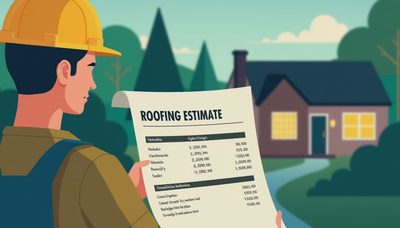
The average cost of a new roof is usually between $9,000 and $25,000 for a typical U.S. home, although a small asphalt-shingle roof can cost less and a large, steep, or premium-material roof can cost much more. The number on your estimate depends on roof size, tear-off requirements, materials, labor rates, ventilation, flashing, and local building rules. If solar is part of your plan, the roof decision deserves attention before anyone starts talking about panels.
A roof replacement is not simply a product purchase. It is a system of labor, materials, safety equipment, disposal, permits, and warranty coverage. A low bid that leaves out crucial work can become expensive after installation. Start with the roof, not the pitch, and understand what you are actually buying.
What the average cost of a new roof includes
Roofers commonly price a project by the roofing square, with one square covering 100 square feet of roof surface. A 2,000-square-foot house does not necessarily have a 20-square roof because roof pitch, overhangs, garages, porches, and attached sections increase the actual area. A contractor should measure the roof rather than rely only on your home's interior square footage.
For a standard asphalt-shingle replacement, a practical planning range is about $5,000 to $15,000 for many smaller or straightforward homes and roughly $10,000 to $25,000 for larger or more complicated properties. Architectural shingles often cost more than basic three-tab products but can provide a stronger appearance and longer manufacturer coverage. Metal roofing may run from $15,000 to $40,000 or more, while tile, slate, and specialty systems can exceed those figures substantially.
The average cost of a new roof also includes tear-off in many estimates, but not all. Ask whether the contractor will remove one or two existing layers, haul away debris, replace damaged decking, install an underlayment, and rebuild roof-to-wall or roof-to-chimney flashing. Those details can shift the final bill by several thousand dollars.

The biggest factors that change your price
Roof geometry is one of the fastest ways to move beyond the average cost of a new roof. A simple ranch roof with easy access is faster to work on than a steep two-story roof with dormers, valleys, skylights, and multiple chimney penetrations. Steep roofs require additional fall protection and slower installation. Limited driveway access can also increase delivery and labor time.
Material selection matters, but labor quality matters just as much. Asphalt shingles may be the most economical choice, yet poor installation around valleys, vents, and flashing can create leaks long before the shingles appear worn. Metal panels require careful measurements and compatible fasteners. Tile and slate demand specialized handling and may need structural review because of their weight.
Decking is another common surprise. Once shingles are removed, the roofer may find soft or rotten plywood. Replacement often costs approximately $70 to $150 per sheet, depending on thickness and local labor. Ventilation improvements, drip edge, ice-and-water protection, fascia repairs, and new pipe boots can add hundreds or several thousand dollars. A detailed estimate should show these items separately instead of hiding them under a vague “miscellaneous” line.
How to compare roofing estimates
Get at least three written estimates, but do not choose by price alone. Put each bid beside the others and compare the same categories: shingle or roofing product, manufacturer, tear-off layers, underlayment, ventilation, flashing, decking allowance, cleanup, permits, payment schedule, and workmanship warranty.
For example, a $12,500 bid might look cheaper than a $15,000 bid until you notice that the first contractor includes only one layer of removal and no allowance for damaged decking. The second estimate might include synthetic underlayment, new flashing, magnetic nail cleanup, and a five-year workmanship warranty. A fair comparison requires adjusting the bids so you are comparing equivalent scopes.
Ask who will perform the work. Some companies use their own crews, while others subcontract installation. Subcontracting is not automatically a problem, but you should know who supervises the job, who handles callbacks, and whose insurance certificate covers the workers. Avoid paying the entire balance before the work is complete. A deposit for materials is common; a contractor demanding full payment upfront deserves careful scrutiny.
Roof replacement and solar timing
If you are considering solar, the average cost of a new roof should be calculated before panels are installed. Solar panels can remain on a roof for 20 years or more, while an aging roof may need replacement much sooner. Installing panels on a roof with only a few useful years left can create a second mobilization: panel removal, roof work, and panel reinstallation.
That extra process can cost several thousand dollars and introduce questions about who is responsible for roof penetrations, damaged equipment, scheduling, and warranty claims. The cleanest sequence is usually roof inspection, roof replacement if needed, final roofing inspection, then solar design and installation. This is not a rule for every home, but it prevents a common avoidable conflict.
A combined project can save money when one company coordinates the schedule or when scaffolding and permitting overlap, but the package should still show separate roof and solar prices. Do not let a “free roof” or “included upgrade” label obscure the financing cost. Compare the cash price, loan amount, interest rate, dealer fees, and expected maintenance independently. Don’t bundle confusion into the biggest check you write this year.

Insurance, warranties, and payment questions
Homeowners insurance generally covers sudden damage from covered events, such as certain wind or hail losses, but it usually does not pay for gradual deterioration or an old roof that simply reaches the end of its service life. A storm claim also involves a deductible, and coverage can depend on the policy, roof age, maintenance history, and state rules. Take photos of the roof condition before a project and keep invoices, inspection notes, and warranty documents.
A manufacturer warranty covers the roofing product under stated conditions. A workmanship warranty comes from the contractor and addresses installation issues. These are different protections. Ask what voids each warranty, whether enhanced coverage requires certified installation, and how a future owner or solar installer affects coverage. Keep the final contract, product labels, permit records, and payment receipts in one folder.
Financing can make a $15,000 project manageable, but calculate the total repayment rather than focusing only on the monthly amount. A promotional rate may expire, and home improvement loans can include origination fees. If a contractor offers financing, request the same project price for cash so you can identify whether financing charges are built into the estimate.
A practical checklist before signing
First, confirm the roof's measured area and identify every structure included in the proposal. Second, ask how many existing layers will be removed and what happens if the deck is damaged. Third, verify the exact material, color, ventilation plan, flashing scope, permit responsibility, cleanup process, and completion timeline. Fourth, check the contractor's license requirements, liability insurance, and workers' compensation coverage where applicable.
Finally, ask for a payment schedule tied to visible milestones, such as material delivery, tear-off and dry-in, substantial completion, and final cleanup. Read cancellation rights and change-order terms before work begins. If solar is planned, tell both contractors before accepting either bid and require the roof company to document penetrations, flashing, and warranty conditions.
The average cost of a new roof is a useful starting point, not a promise for your address. A clear scope, realistic contingency for decking, and careful sequencing will tell you more than a dramatic discount. Price the roof honestly, inspect the work, and only then decide whether solar belongs in the next phase.