A hip roofed house can be a strong candidate for solar, but the shape alone should not decide your next move. Before comparing panel brands or listening to a salesperson promise a low electric bill, determine whether the roof has enough useful life left to support a 25-year solar system. A roof replacement, solar installation, or combined project can involve tens of thousands of dollars. Start with the roof, not the pitch.
What makes a hip roofed home different?
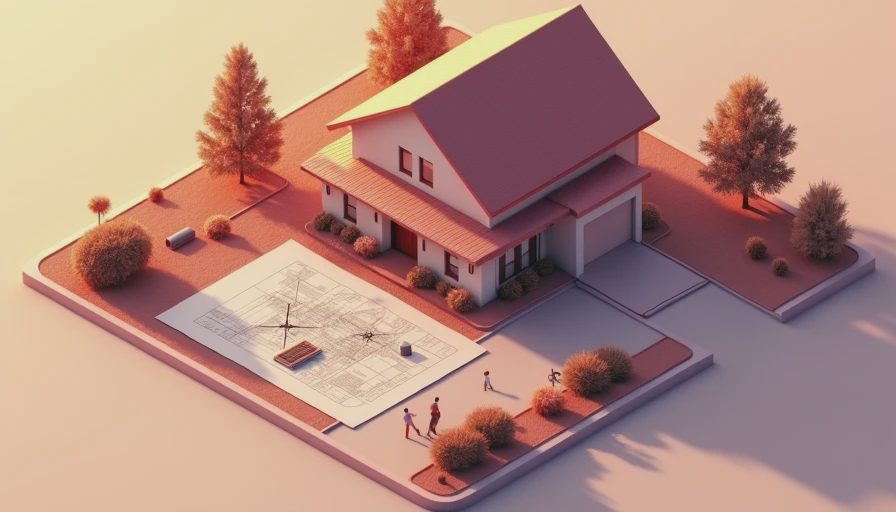
A hip roof slopes upward from all four exterior walls instead of using two main sloping sides and vertical gable ends. That design can perform well in windy areas because it presents fewer large vertical surfaces to gusts. It also gives many homes a balanced appearance and can create useful roof planes facing south, southeast, southwest, east, or west.
The tradeoff is that a hip roofed home often has several smaller roof sections rather than one broad, uninterrupted plane. Solar panels need usable space, clear setbacks, and safe access around ridges, hips, valleys, vents, skylights, and chimneys. A roof that looks large from the driveway may have less practical panel area than expected.
Roof pitch matters too. A moderately sloped plane may be straightforward for an experienced installer, while a steep plane can increase labor, fall-protection requirements, and installation time. Shade from nearby trees or a neighboring home can reduce production even when the roof faces a favorable direction. Ask for a shade analysis and a panel layout, not a production number pulled from a generic satellite image.
The most important question is roof age and condition. Asphalt shingles commonly last roughly 15 to 30 years, depending on material, ventilation, installation quality, weather, and maintenance. If your roof is already showing granule loss, curling, soft decking, recurring leaks, or storm damage, adding panels first can create an expensive sequencing problem.
Replace, repair, or install solar first?
If the roof has at least 10 to 15 years of dependable service remaining and the inspection finds only limited damage, solar can make sense without a full replacement. A roofer should document the condition in writing, including flashing, penetrations, ridge caps, valleys, and the decking beneath the shingles. This creates a baseline if a leak appears later.
A repair may be appropriate when damage is localized. For example, replacing failed flashing around one vent or repairing a small section after a fallen branch could cost several hundred to a few thousand dollars, depending on access and the extent of hidden damage. That is very different from a roof with widespread aging, where repeated repairs simply delay the larger bill.
If the roof is near the end of its expected life, replace it before solar. Removing and reinstalling panels later can add several thousand dollars in labor, plus possible permit, electrical, and scheduling costs. The panels themselves might remain usable, but the project becomes more complicated because the solar company must disconnect equipment, protect it during roofing, and return for a second installation visit.
A hip roofed property with limited panel space deserves extra caution. You may need more efficient panels, a larger system spread across several planes, or a battery to improve the value of the energy produced. Do not approve a roof replacement simply because a solar representative says it is necessary, and do not accept solar simply because the new roof is already being installed. Get separate roof and solar scopes so you can see what each project actually includes.
How to compare the money before signing
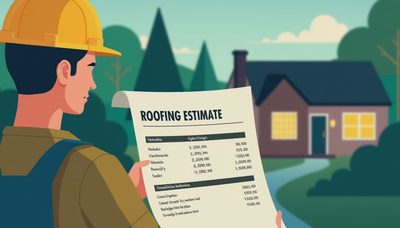
Start with three numbers: the roof replacement cost, the solar system cost after available incentives, and the cost of postponing either project. A typical U.S. asphalt shingle replacement can range from about $10,000 to $25,000 for many single-family homes, although size, pitch, tear-off layers, decking repairs, ventilation, and local labor can move that figure substantially. Solar pricing varies just as widely based on system size, equipment, electrical work, and installation complexity.
For a hip roofed home, request a line-item solar proposal showing system size in kilowatts, estimated annual production, panel count, inverter type, battery cost if included, roof attachment method, permitting, and utility interconnection. Compare that with an independent roofing estimate that identifies tear-off, underlayment, flashing, ventilation, disposal, and workmanship warranty terms.
Do not judge the deal only by the monthly payment. A $180 solar payment can look attractive beside a $220 electric bill, but the comparison may ignore roof financing, insurance changes, maintenance, utility rate changes, and the possibility that production will not match the sales estimate. A cash purchase can improve long-term economics, while a loan may preserve savings for emergency repairs. The right answer depends on your budget, roof condition, and how long you expect to own the home.
Tax credits and local incentives can affect the math, but they should be treated as part of the calculation rather than the entire reason to proceed. Confirm current federal, state, utility, and financing rules before relying on an advertised savings figure. Incentives can change, and eligibility depends on project details and tax circumstances.

The safest project sequence
For most aging roofs, the cleanest sequence is roof inspection, independent roof estimate, solar design, financing review, roof replacement, solar installation, inspection, and utility approval. Put the schedule in writing. The solar contractor should know whether the roof replacement includes a complete tear-off and whether the roofer will install any special flashing or attachment blocking requested by the solar team.
A combined project can save money through shared planning and fewer mobilization delays, but the companies must clearly divide responsibility. Ask who obtains permits, who protects landscaping, who repairs drywall or ceiling damage from a leak, and who pays if an attachment causes water intrusion. A hip roofed installation can involve several roof planes, so the contract should identify where panels, conduit, junction boxes, and equipment will be placed.
Never allow panels to be installed over a roof that an inspector describes as structurally questionable. Solar racking transfers loads through roof attachments into framing, and damaged decking can complicate that work. The roofer should address rotten wood before the solar crew arrives, not after equipment is already mounted.
Warranties, insurance, and future repairs
Roofing and solar warranties cover different risks. A shingle manufacturer warranty concerns the roofing product, while a roofer workmanship warranty concerns installation. Solar equipment warranties commonly cover panels, inverters, and sometimes batteries for different periods. None of these documents automatically proves that a leak will be someone else’s responsibility.
For a hip roofed project, keep copies of the roof diagram, panel layout, invoices, permits, inspection records, and photos taken before and after installation. If a storm damages the roof, your homeowners insurance policy may cover certain sudden, covered losses, subject to the policy deductible and exclusions. Wear and tear, poor maintenance, and excluded causes are handled differently. Contact the insurer before making assumptions about coverage or repair procedures.
Ask whether removing and reinstalling solar panels after a covered roof claim is included, limited, or excluded. Some policies provide specific solar-related coverage; others require endorsements or impose limits. The answer affects the real cost of ownership and should be confirmed before installation.
A practical decision for homeowners
Choose roof-first planning when the roof is older, leaking, repeatedly repaired, or likely to need replacement during the solar system’s life. Choose solar-first only when an independent inspection supports the roof’s remaining life and the panel layout provides worthwhile production. Choose a combined project when both contractors provide separate, detailed scopes and agree on the handoff.
For a hip roofed home, pay particular attention to usable roof area, shade, access, attachment locations, and the cost of working across multiple planes. Get at least one independent roofing opinion and compare solar proposals using annual production, total contract cost, financing terms, and equipment warranties rather than a single monthly number.
The best project is not necessarily the one with the most panels or the newest shingles. It is the one that leaves you with a sound roof, realistic energy expectations, clear warranty responsibility, and no surprise second installation. Don’t bundle confusion into the biggest check you write this year. Start with the roof, verify the math, and let the solar decision follow the facts.