The cost to put in skylight usually falls between $1,000 and $5,500 for a standard residential installation, although a simple tubular unit can cost less and a large custom skylight can cost much more. The number on the estimate depends on the skylight itself, roof access, interior finishing, flashing, permits, and whether the roof is already scheduled for replacement. Start with the roof, not the pitch.
For a homeowner considering a reroof, solar panels, or both, timing matters. Cutting a new opening in a roof that will be replaced next year can mean paying for flashing, shingles, and interior repair twice. On the other hand, adding a skylight during a planned roof replacement can simplify the work and make it easier to assign responsibility if a leak appears later.
Typical skylight prices and installation ranges
A fixed skylight is the most straightforward option because it does not open and has fewer moving parts. A typical installed price is roughly $1,500 to $3,500, including the unit, curb or deck mounting, flashing, roofing work, and basic drywall repair. A vented skylight often runs $2,500 to $5,500 because it requires a more expensive unit and may need electrical work for a motorized opener.
Tubular skylights are narrower and designed to move daylight through a reflective tube into a hallway, closet, bathroom, or interior room. Many installations land between $700 and $2,000. They are less dramatic than a large window but usually require less structural work. A custom, oversized, or highly placed skylight can push the cost to put in skylight above $6,000, particularly when a contractor needs scaffolding, structural framing, extensive drywall work, or a long light shaft.
The roof material also changes labor. Asphalt shingles are generally the easiest surface to work around. Standing-seam metal, tile, slate, and steep roofs require specialized experience and careful flashing. A contractor may quote another $300 to $1,500 for difficult access or specialty roofing details. Ask whether the estimate includes interior paint, trim, debris removal, and permit fees rather than assuming those items are included.
How roof age changes the decision
The most important question is not simply the cost to put in skylight. It is how many useful years remain in the roof. If the shingles are 15 to 20 years old, show granule loss, or have recurring repairs, installing a skylight before replacement deserves extra scrutiny. The new unit might last for decades, but the surrounding roofing will still need to be removed when the roof is replaced.
During a reroof, the roofer can install new underlayment and flashing around the skylight while the roof deck is exposed. That can reduce duplicated labor and often improves the warranty conversation. A combined project does not make the skylight free, but it can eliminate some separate mobilization and tear-in costs. Get the skylight line item separated from the roofing line item so you can see the actual savings.
If the roof has plenty of life left and the room is dark enough to justify the project, installation can still make sense. Before signing, ask the roofer to inspect the sheathing, rafters, trusses, and attic ventilation. A skylight cannot be placed wherever it looks best from inside if framing, plumbing, ductwork, or electrical wiring blocks that location.
Skylights, solar panels, and roof sequencing
A skylight and solar array can coexist, but roof layout becomes more important. Solar installers need usable, shade-free roof area, while a skylight occupies space and creates a perimeter that panels typically must avoid. A skylight on the south-facing roof plane may reduce the number of panels that fit there, while a small tubular unit on another plane may have little effect.
The right order matters as much as the right product. If the roof needs replacement, complete the roof work and skylight installation before mounting solar panels. Removing and reinstalling panels later can add thousands of dollars and create scheduling friction between the roofing company and solar installer. If the roof is sound, map the proposed skylight and solar layout together before anyone cuts or mounts anything.
A combined project can save money or hide confusion. Request a roof plan showing the skylight opening, flashing location, panel setbacks, vents, and any attic obstructions. Ask who will repair damage if a panel attachment, skylight curb, or flashing detail leaks. The cheapest bid is not attractive if three companies point at one another after the first storm.

What should appear in a serious estimate
A useful skylight estimate should identify the manufacturer and model, dimensions, glazing type, opening method, flashing kit, underlayment, shaft construction, interior finish, permit handling, and cleanup. Brands such as Velux and Fakro offer widely available residential products, but the label alone does not guarantee a good installation. The flashing system and the installer’s roof-specific method matter just as much.
Look for a line describing whether the contractor will cut and reinforce framing or use an existing opening. Confirm whether the quote covers drywall patching and painting. Interior work can add $300 to $1,200, especially when a long shaft needs multiple days of taping, sanding, and matching texture. Electrical work for a powered vent, rain sensor, or shade can add another $250 to $900.
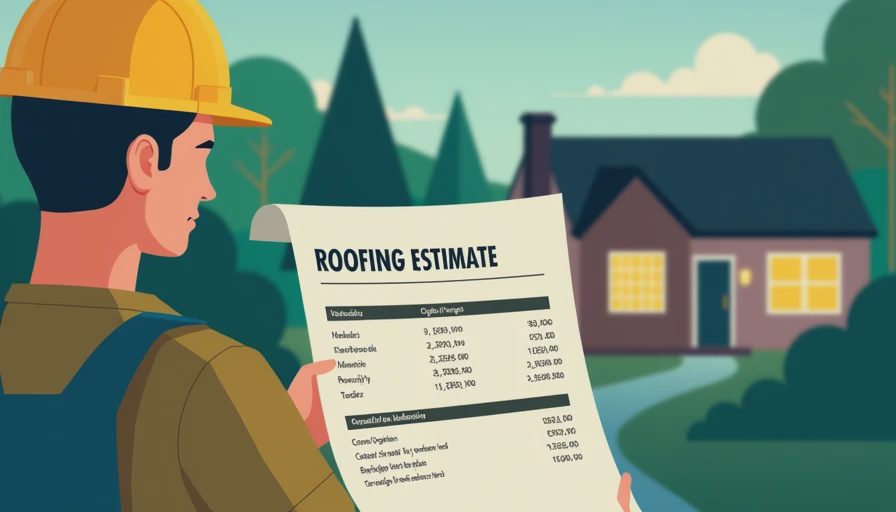
Compare at least three bids, but compare scope before price. One contractor might quote $2,200 for a basic fixed unit with exposed interior trim, while another quotes $3,600 for a better-glazed unit, a finished shaft, a permit, and a longer workmanship warranty. Those are not equivalent offers. Ask each bidder to explain the roof warranty, skylight warranty, labor warranty, and leak callback process in plain language.
Permits, energy performance, and insurance
Many municipalities require a permit when a project changes roof framing or creates a new opening. The contractor should tell you who pulls it and whether an inspection is required. Do not rely on a verbal promise that permitting is unnecessary when the scope involves structural changes. Permit requirements vary by location, and an unpermitted alteration can complicate a future sale or insurance claim.
Glass choice affects comfort as well as price. Low-emissivity glazing can reduce unwanted heat transfer, while laminated glass can improve impact resistance and reduce the risk of shards after breakage. Shades help control glare and summer heat, but they add cost. A skylight that faces strong afternoon sun may brighten a room while increasing cooling demand, so placement and shading deserve attention.
Home insurance typically covers sudden, covered damage such as hail or a falling tree, not poor installation, gradual deterioration, or an unresolved maintenance issue. Notify your insurer when appropriate and keep the paid invoice, permit, product details, and installation photos. Those records are valuable if a storm damages the roof around the unit.
A practical decision path for homeowners
First, inspect the roof and determine its remaining service life. Second, decide whether you need ventilation, daylight, or both. Third, have a roofer confirm that framing and roof pitch support the proposed location. Fourth, coordinate the design with any planned solar array. Fifth, collect detailed bids that separate the skylight, roofing, interior, electrical, permit, and disposal costs.
For a roof replacement scheduled within the next few years, waiting and installing during the reroof is often the cleaner financial choice. For a newer roof, a modest fixed or tubular unit may deliver the best balance between daylight and complexity. The cost to put in skylight is only one part of the decision; future roof work, warranty responsibility, heat control, and solar layout can change the real value.
Before approving the work, ask one final question: who owns the leak if water enters at the transition between the skylight and the roof? Get that answer in writing. Don’t bundle confusion into the biggest check you write this year. A clear scope, sensible sequence, and roof-first inspection will do more for the project than choosing the lowest initial number.