Commercial roofing is not simply a larger version of a house roof. The building may stay open during construction, equipment may sit on the roof, drainage can be more complicated, and a small leak can damage inventory, offices, or customer areas. Whether you own a small retail building, warehouse, office, or mixed-use property, the goal is to make a sound decision before a contractor turns a maintenance problem into a full replacement.
Start with the roof, not the pitch. If you are also considering solar, a roof that needs major work should usually be addressed first. Don’t bundle confusion into the biggest check you write this year. Get the roof condition, project scope, and responsibility for future repairs in writing before comparing energy savings.
How commercial roofing differs from residential work
Most homes use pitched asphalt-shingle roofs, while commercial buildings commonly have low-slope systems. Common options include TPO and PVC membranes, EPDM rubber roofing, modified bitumen, built-up roofing, and coated metal systems. Each has different installation methods, puncture resistance, seam details, expected service life, and maintenance needs.
The roof’s slope and drainage plan matter as much as the surface material. A low-slope roof that holds water after rain may have blocked drains, crushed insulation, poor design, or structural movement. Adding another layer over the problem can make the leak harder to find later. Ask the contractor to identify ponding areas, drains, scuppers, flashing, penetrations, and rooftop units rather than offering only a price per square foot.
A commercial project also involves access, tenant schedules, fire-code requirements, fall protection, and staging. A bid that looks cheaper can become expensive if it excludes overnight work, crane access, temporary protection, or removal of abandoned equipment. The useful comparison is not the lowest number; it is the clearest scope for keeping the building dry and usable.

Commercial roofing costs and the bid details that matter
Pricing depends on roof size, material, insulation, tear-off requirements, location, access, and structural repairs. As a broad planning range, a small commercial repair might cost several hundred to a few thousand dollars. A membrane replacement can run from tens of thousands of dollars for a modest building to well over $100,000 for a large warehouse or complex facility. These are budgeting ranges, not a substitute for an inspection.
Request at least three written proposals with the same basic scope. Each proposal should state whether the price includes tear-off, disposal, insulation, deck repair, edge metal, flashing, permits, taxes, rooftop-unit protection, cleanup, and warranty documentation. It should also explain how change orders are approved. A vague allowance for “deck repairs as needed” can create a large bill after the old roof is removed.
Commercial roofing contractors should provide proof of licensing where required, general liability coverage, workers’ compensation coverage, references for similar buildings, and manufacturer certification when a system warranty depends on approved installation. Ask who will perform daily supervision and whether subcontractors will be used. A polished sales presentation does not replace a detailed construction plan.
When solar belongs in the conversation
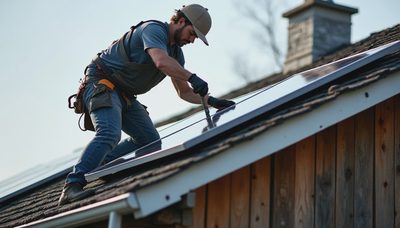
Solar can make sense for a commercial building with strong daytime electricity use and a roof that has enough remaining service life. Warehouses, auto shops, offices, and retail properties often consume power during business hours, which can improve the practical value of on-site generation. But panels, racking, conduit, and maintenance access add loads and penetrations that should be considered during roof planning.
The right order matters as much as the right product. If an inspection finds widespread membrane failure, wet insulation, recurring ponding, or a roof near the end of its useful life, replace or restore the roof before installing solar. Removing panels later for a reroof can add thousands or tens of thousands of dollars, depending on the array and building size. A combined project can save money when one team coordinates the work, but it can also hide confusion about who owns a leak or damaged panel.
Have the roofing and solar contractors review the same roof plan. Confirm attachment methods, flashing details, pathways for service access, wind requirements, electrical equipment locations, and the process for removing and reinstalling panels. Do not rely on a salesperson’s verbal statement that the roof is “good for solar.” Ask for the inspection findings and expected remaining service life.

A simple way to compare proposals
Commercial roofing proposals become easier to evaluate when you put them into a short comparison sheet. Record the system manufacturer, membrane thickness, insulation type and R-value, tear-off layers, deck allowance, drainage work, labor schedule, payment milestones, warranty terms, and exclusions. Then compare the total installed price rather than the advertised material price.
For example, Bid A might cost $62,000 but exclude wet-insulation replacement and drain modifications. Bid B might cost $71,000 and include new insulation, edge metal, permits, and a manufacturer inspection. Bid B may be the better value if the building needs those items anyway. A third bid at $55,000 could be reasonable, but only if it uses an equivalent system and provides the same scope.
Pay attention to payment timing. A common structure includes a deposit, progress payments tied to completed work, and a final payment after cleanup, inspections, and warranty paperwork. Avoid paying the entire amount before materials arrive. Keep copies of certificates, lien waivers, photos of concealed repairs, and approved change orders in one project file.
Warranties, insurance, and future repairs
A material warranty and a workmanship warranty are different. The manufacturer may cover certain membrane defects, while the installing contractor covers errors in attachment, flashing, or seam work for a stated period. Neither warranty usually covers every leak, storm event, building movement, neglected maintenance issue, or unauthorized repair. Read the exclusions before treating a long warranty term as complete protection.
Commercial property insurance can help with certain sudden, covered losses, such as wind or hail damage, but it generally does not pay for gradual deterioration or poor maintenance. Deductibles, exclusions, roof-surface limitations, and reporting deadlines matter. Photograph storm damage, protect interior areas from further water intrusion, and contact the insurer promptly when a covered event is possible. Do not let an emergency repair erase evidence needed for a claim.
If solar is installed, identify responsibility for roof leaks, panel removal, electrical equipment, and storm damage. The roofing contractor may not be qualified to service the solar system, and the solar installer may not be responsible for membrane repairs. Clear boundaries prevent a slow dispute while water continues entering the building.
A practical project sequence
Begin with an independent roof inspection and moisture survey when appropriate. Next, decide whether targeted repairs, restoration, an overlay, or full replacement fits the building’s condition and budget. If solar is under consideration, obtain its design only after the roof plan is understood. Then compare matching roofing bids, verify contractor credentials, and review the schedule with tenants or staff.
During construction, keep a daily record of weather, exposed areas, deliveries, photographs, and decisions. After completion, request closeout documents, warranty certificates, maintenance instructions, and marked locations of drains and penetrations. Schedule inspections at least twice a year and after major storms. Clearing drains and repairing small flashing defects is far cheaper than waiting for wet insulation and interior damage.
The best commercial roofing decision is usually the one that makes future responsibilities boring and obvious. Start with a documented inspection, compare complete scopes, and coordinate solar only when the roof is ready. If a contractor cannot explain the system, exclusions, warranty, and repair path in plain English, keep asking questions before signing.