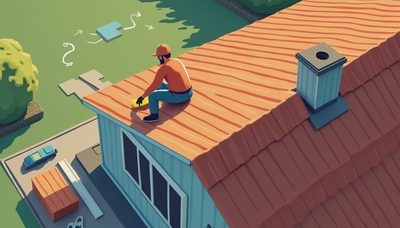
The average cost to replace roof projects in the United States often falls between $9,000 and $18,000 for a typical 1,500- to 2,000-square-foot home, although small roofs can cost less and complex roofs can exceed $30,000. The number on your estimate depends on roof size, pitch, material, tear-off requirements, local labor, flashing, ventilation, and whether hidden water damage appears after shingles come off.
A roof replacement is also a major timing decision if you are considering solar. Solar panels can remain in service for 25 years or more, while a roof near the end of its useful life might need replacement in five years. Start with the roof, not the pitch. Don’t bundle confusion into the biggest check you write this year.
What the average cost to replace roof usually includes
Roofing contractors generally price a project by the roofing square, with one square covering 100 square feet of roof surface. A straightforward architectural asphalt shingle installation commonly runs about $5 to $9 per square foot, including common labor and materials. That puts a 2,000-square-foot roof around $10,000 to $18,000 before unusual repairs or premium upgrades.
The word “square” can confuse homeowners because a 2,000-square-foot house does not necessarily have a 2,000-square-foot roof. A steep roof, multiple dormers, attached garages, valleys, and broad overhangs increase the actual surface area. A contractor may measure 24 or 28 roofing squares on a house with 2,000 square feet of living space.
Your estimate may include tear-off and disposal, underlayment, starter shingles, ridge caps, drip edge, flashing, ventilation, permit fees, cleanup, and installation. It should state whether plywood or other decking repairs are included. If the proposal says “replace damaged decking at additional cost,” ask for the unit price, such as $75 to $125 per sheet, before signing.

Material choices change the price and lifespan
Three-tab asphalt shingles can sit near the lower end of the market, often around $4 to $6 per square foot installed. Architectural shingles commonly cost $5 to $9 per square foot and offer a more dimensional appearance. Premium designer shingles can reach $9 to $15 or more per square foot.
Metal roofing has a much wider range. Exposed-fastener panels may cost about $7 to $12 per square foot, while standing-seam metal can run $10 to $18 or more. Metal can provide long service life, but the structure, trim details, and installation skill matter. A low bid from a crew that mainly installs asphalt shingles is not automatically a bargain.
Tile, slate, and other heavy materials may cost $12 to $30 per square foot or more. They can require structural review, specialized labor, and stronger flashing details. In a hurricane-prone or hail-prone area, impact-rated shingles may increase the upfront price but could support insurance discounts in some locations. Ask your insurer about available credits rather than assuming one applies.
Why two roofing bids can be thousands apart
Contractor estimates often differ because they are measuring different scopes of work. One company might include full tear-off, new pipe boots, upgraded ventilation, and replacement of all step flashing. Another might install shingles over an existing layer and use a basic allowance for repairs. The totals are not comparable until the work descriptions match.
Labor markets also affect the average cost to replace roof. Roofing in Phoenix, Denver, Atlanta, and Boston can have very different labor, permit, disposal, and weather costs. A complex two-story roof requires more fall protection and staging than a single-story ranch. Limited access, steep slopes, chimney flashing, skylights, and poor driveway access can add hundreds or several thousand dollars.
Get at least three written bids, but do not choose by price alone. Confirm licensing requirements in your state, workers’ compensation coverage, liability insurance, manufacturer certification where relevant, warranty terms, payment schedule, and who will supervise the crew. Avoid paying the full amount upfront. A deposit followed by progress payments is safer than handing over the entire project price before materials arrive.
Roof replacement and solar: which comes first?
If your roof has visible curling shingles, recurring leaks, soft decking, or is already past its expected service life, replacement should generally happen before solar installation. Removing panels later for roofing can add several thousand dollars in labor, plus scheduling delays and possible damage risk. A solar contract that says removal and reinstallation are “available” does not tell you the actual price or timeline.
The average cost to replace roof should be evaluated separately from the cost of a solar system. A combined project can save money when one company coordinates scheduling, but the solar portion can make a simple roofing decision harder to understand. Request separate line items for roof labor, roofing materials, solar equipment, electrical work, permits, utility fees, financing charges, and any battery.
A new roof does not make solar automatically worthwhile. Compare your electric usage, utility rate structure, shade, roof orientation, expected time in the home, and financing cost. If the roof has ten or more good years remaining, a solar installer may be able to work around it. If the roof is questionable, paying for replacement first can protect the solar investment and reduce future disruption.
Insurance, warranties, and storm damage
Homeowners insurance usually covers sudden, accidental damage from covered events such as wind or hail, subject to the policy deductible and exclusions. It generally does not pay to replace a roof simply because it is old or worn out. A roof with storm damage may also have depreciation, a separate wind or hail deductible, or an actual-cash-value settlement depending on the policy and roof age.
Document the roof before work begins with dated photographs of shingles, flashing, vents, gutters, and interior ceilings. If you suspect storm damage, contact your insurer promptly and ask how an inspection should be handled. Do not let a contractor promise that insurance will pay the entire bill. That decision belongs to the insurer under the policy terms.
Manufacturer warranties typically cover defects in roofing products, while workmanship warranties come from the contractor. Neither warranty is a substitute for careful installation. Ask who handles a claim if the contractor closes, whether warranty registration is required, and whether a future solar installer could affect coverage.
A practical checklist before accepting an estimate
Start by asking each contractor to inspect the attic, not just the shingles. Poor ventilation, wet insulation, mold-like staining, and daylight around penetrations can reveal problems that a driveway inspection misses. Request the measured roof area, number of layers to remove, material brand and product line, underlayment type, flashing plan, ventilation method, cleanup process, and expected schedule.
Then compare the bids line by line. Look for allowances that can expand later, especially decking, flashing, gutters, permits, and chimney work. Ask what happens if rain interrupts installation and whether the crew uses magnetic cleanup equipment. A professional proposal should explain how old materials are disposed of and whether nails or debris could affect landscaping, vehicles, or pets.
The average cost to replace roof becomes easier to judge when you know the cost per square foot and the included scope. For example, a $13,500 quote may be stronger than a $10,500 quote if it includes full tear-off, better ventilation, new flashing, permit fees, and a longer workmanship warranty. The cheapest bid is only cheaper when the work is truly equal.
Planning the project without rushing
Set aside a repair reserve of roughly 10% to 15% for a standard replacement, especially on older homes. That reserve is not permission for a contractor to add vague charges; it is protection against documented conditions such as rotten decking discovered after tear-off. Require photos and written approval for change orders.
Schedule around weather, school routines, pets, and solar plans. Most asphalt roof replacements take one to several working days, but permits, material delivery, inspections, and rain can extend the calendar. Keep a copy of the contract, product receipts, permit records, final invoice, warranty documents, and before-and-after photos.
When you compare the average cost to replace roof, focus on service life, installation quality, and future access as much as the starting price. A sound roof protects the house and gives a solar decision a stable foundation. The right order matters as much as the right product: inspect first, price the roof clearly, replace it when the evidence supports replacement, and only then decide whether solar belongs in the plan.