If your roof is aging and you are also considering solar, pvc roofing deserves a closer look before you sign an estimate. This single-ply membrane is common on commercial buildings, but it is increasingly discussed for homes with low-slope sections, additions, porches, and modern roof designs. It is not automatically the best answer for every house. The right choice depends on roof shape, climate, drainage, installation quality, and how a future solar array will be attached.
My advice is simple: start with the roof, not the pitch. A combined project can save money, or hide confusion. Before comparing panels or financing offers, understand what this roof system does well, where it costs more, and how it affects future repairs.
What PVC roofing is and where it fits
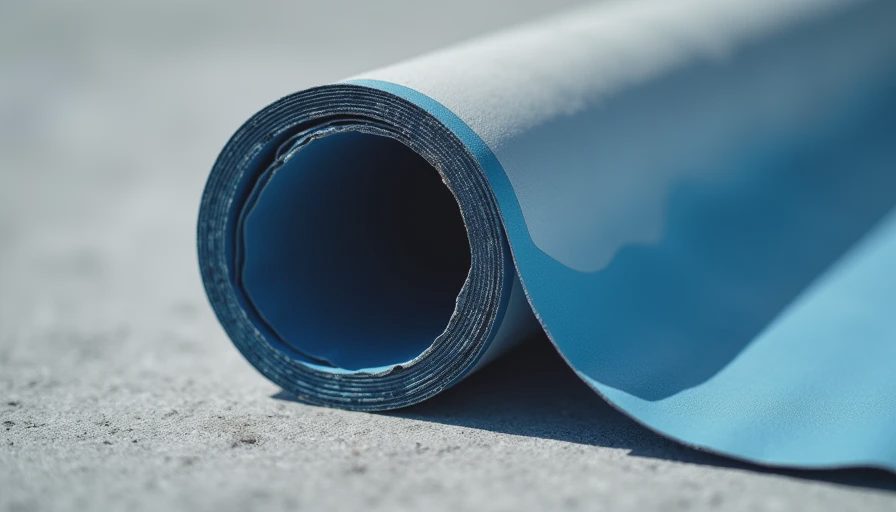
PVC roofing is a flexible, reinforced membrane made from polyvinyl chloride. Contractors typically install it in large sheets over insulation or a prepared roof deck, then heat-weld the seams. That welded connection is one of its main advantages because it creates a continuous waterproof surface rather than relying only on overlapping layers and exposed fasteners.
The material is especially practical on low-slope roofs where asphalt shingles are not appropriate. It can also work on a flat garage, a rear addition, or a home with a complicated roof transition. White and light-colored membranes reflect substantial sunlight, which can reduce heat absorbed through the roof in hot weather. That does not eliminate air-conditioning costs, but it can make the upper floor more comfortable.
A properly installed system can last for decades, with many manufacturer warranties commonly covering roughly 15 to 30 years depending on thickness, assembly, and approved installation details. Those warranties are not the same as a promise that the roof will never leak. Workmanship, punctures, ponding water, and poor flashing can still create problems.
PVC roofing cost compared with other systems
For a residential project, pvc roofing often costs more upfront than a basic asphalt shingle replacement. A broad planning range might be about $7 to $14 per square foot installed, although access, tear-off, insulation, decking repairs, drainage work, and local labor can move the number significantly. A small low-slope section may carry a higher effective price because mobilization and flashing take time even when the area is limited.
By comparison, architectural asphalt shingles often land around $5 to $10 per square foot installed, while some modified bitumen or TPO systems fall in a similar range to PVC. A contractor should explain the complete assembly rather than quoting only the membrane. Ask whether the estimate includes tear-off, tapered insulation, edge metal, pipe boots, wall flashing, disposal, permits, and a final water-shedding inspection.
The cheapest bid is not necessarily the least expensive roof. If a $9,000 membrane roof fails around a parapet because the flashing was rushed, the repair can erase the initial savings quickly. Ask each contractor for membrane thickness, manufacturer, seam method, insulation type, warranty terms, and references for comparable residential work.
How solar changes the roof decision
Solar panels can remain in service for 25 years or more, so installing them over a roof with only five or eight useful years left creates a predictable expense. Removing and reinstalling panels during a later reroof can cost thousands of dollars, depending on the array size, mounting hardware, electrical work, and local labor. That is why pvc roofing and solar should be discussed together when the roof is low-slope or already being considered for replacement.
The membrane itself is not a solar mounting system. Solar installers usually use attached racking, ballast, or a combination approved for the roof assembly. Attachments must be flashed and sealed correctly, and ballast adds weight that the structure may need to support. Penetrations should be limited and documented. You also need a clear answer about who is responsible if a leak appears beneath a panel after installation.
A sensible sequence is roof inspection, structural review, roof replacement if needed, and then solar design around the finished roof. If both companies are involved, require a written responsibility map. It should identify who installs flashing, who handles permits, who repairs damage, and whether removing panels later affects either warranty.
Warranties, maintenance, and storm concerns
PVC roofing warranties usually have separate material and workmanship components. The membrane manufacturer may cover defects in the product, while the roofing contractor covers installation errors for a stated period. Some enhanced warranties require an approved installer, specific membrane thickness, documented inspections, and the use of matching accessories. Read those conditions before assuming the longest number in a sales presentation applies to your house.
Maintenance is straightforward but not optional. Have the roof checked at least annually and after major storms. Keep branches, leaves, and construction debris away from drains and scuppers. Look for loose edge metal, damaged flashing, punctures from tools, and standing water that remains after normal rainfall. Do not let an HVAC technician, satellite installer, or solar crew cut into the membrane without coordinating with the roofing contractor.
Hail and wind damage should be documented with photographs and a professional inspection. Homeowners insurance generally covers sudden damage from a covered peril, not gradual deterioration or neglected maintenance. Your deductible and policy exclusions matter, so do not assume every leak becomes an insurance claim.
Questions to ask before accepting a bid
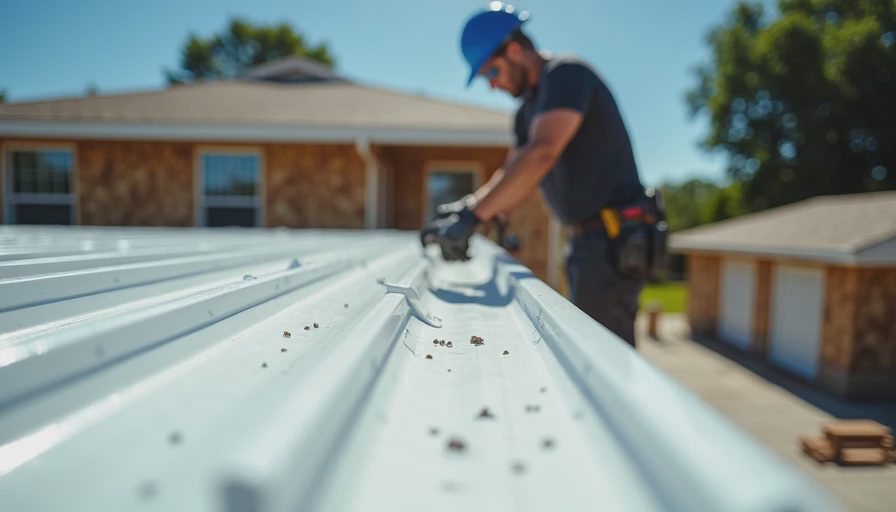
A useful bid should answer practical questions in plain language. Ask what happens to the existing roof, whether the deck will be inspected after tear-off, and how damaged wood will be priced. Confirm the membrane brand, thickness, color, insulation package, seam-welding method, and edge detail. Request the manufacturer warranty documents, not just a brochure summary.
If solar is part of the plan, ask whether the roof contractor has worked around solar attachments and whether the solar company has installed on this membrane type. Get the mounting and flashing detail in writing. Ask who returns if a leak appears six months later and how a warranty claim is started. Also confirm permit responsibility and the expected schedule for inspections.
Compare bids by roof assembly, not by total alone. A $22,000 proposal with tapered insulation, new drains, upgraded flashing, and a strong workmanship warranty may be a better value than a $17,000 proposal that leaves the drainage problem untouched.
When PVC roofing makes financial sense
PVC roofing is often worth serious consideration when a home has a low-slope roof, frequent heat exposure, drainage challenges, or a planned solar installation. Its welded seams and reflective surface can provide a durable foundation when the contractor understands the details. It is less compelling when the roof is steep and conventional shingles are suitable, when the structure cannot support a proposed solar system, or when the project depends on an unusually low bid from an inexperienced installer.
Do not bundle confusion into the biggest check you write this year. Get a roof inspection, separate roof and solar prices, and a written sequence of work. Then compare the combined project against a roof-only plan. The best decision is not always the newest material or the fastest solar promise. It is the one that leaves you with a watertight roof, clear warranty responsibility, and numbers that still make sense after the sales conversation ends.