GAF Quick Measure can give you a useful starting point when you are planning a roof replacement, comparing contractor bids, or deciding whether solar belongs in the conversation. It is not a magic roof inspection, and it should not be treated as the final price of your project. Used correctly, GAF Quick Measure helps you understand the roof area, layout, and estimating assumptions before a salesperson turns a few aerial images into a large contract.
That distinction matters because roofing estimates often combine several different costs: shingles, underlayment, flashing, ventilation, tear-off labor, disposal, permits, and possible decking repairs. A digital measurement can help with the first layer of math, but it cannot see every problem under the shingles. Start with the roof, not the pitch.
What GAF Quick Measure actually tells you
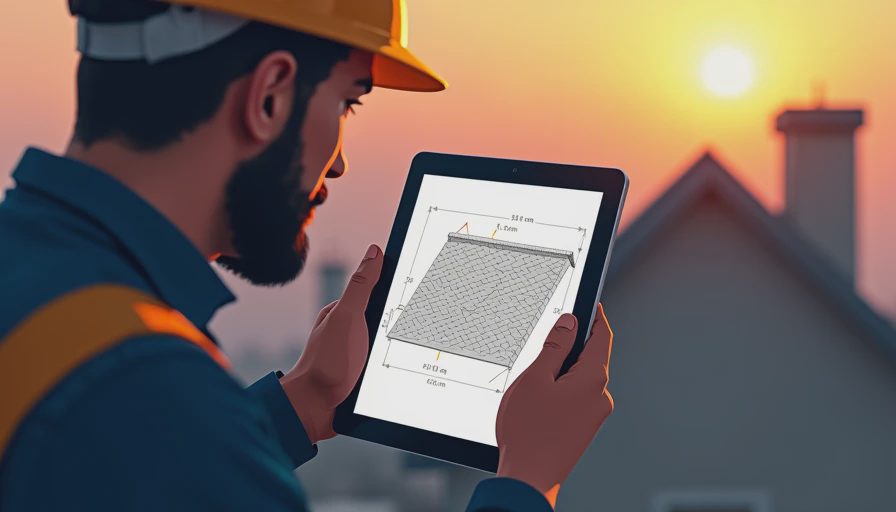
GAF Quick Measure is designed to provide roof measurement information for estimating. Depending on the report and how it was ordered, the information can include roof dimensions, slope or pitch estimates, facet measurements, perimeter details, and other data useful for preparing a roofing proposal. A contractor can use those measurements to estimate material quantities instead of relying only on rough measurements from the driveway.
For a homeowner, the most valuable benefit is comparison. If one contractor quotes a 2,400-square-foot roof area and another uses 3,050 square feet, GAF Quick Measure can give you a neutral reference point for asking why the numbers differ. Roofing is commonly priced by the square, with one square representing 100 square feet of roof surface. A difference of six or seven squares can affect shingles, labor, starter strips, ridge caps, waste, and disposal charges.
The report is also useful when solar is being considered. Solar panels are installed on roof planes, not on a simple rectangle representing the whole house. Measurements can help identify whether the south-, east-, or west-facing sections have enough usable area. They do not, however, determine final solar production. Shade, trees, panel setbacks, electrical design, and local fire-access rules still require a qualified site review.
What the measurement cannot see
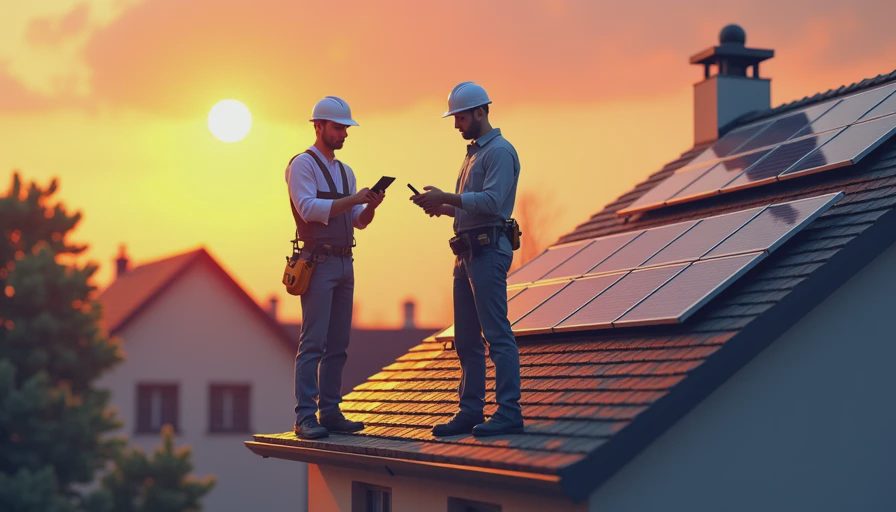
GAF Quick Measure is not the same as a hands-on roof inspection. Aerial imagery generally cannot confirm soft decking, hidden leaks, deteriorated chimney flashing, loose pipe boots, attic ventilation problems, or damage concealed beneath existing shingles. It also may not capture recent additions, detached structures, unusual roof transitions, or changes made after the imagery was collected.
This is where homeowners get into trouble. A report might show 28 squares, while the final estimate includes another $2,000 for rotten decking, $900 for chimney flashing, or $1,500 for difficult access and extra labor. Those additions are not automatically dishonest. They should be explained, photographed, and separated from the base scope so you can tell the difference between a real condition and a vague allowance.
Ask the contractor to walk through three numbers: the measured roof area, the expected waste factor, and the possible repair allowance. Waste is normal because shingles must be cut around valleys, walls, vents, and edges. A very steep, complex roof can require more waste and labor than a basic gable roof, but the estimate should make that logic visible.
How to use GAF Quick Measure when comparing bids
Request a copy of the measurement report or ask the contractor to show you the roof diagram. Then compare each proposal using the same categories. Look at total squares, shingle brand and product line, underlayment, ice-and-water protection, flashing replacement, ventilation, tear-off layers, cleanup, warranty terms, and payment schedule.
GAF Quick Measure is most helpful when every contractor is estimating from the same basic roof geometry. It does not make competing bids identical, because contractors may recommend different materials or installation methods. A proposal using GAF Timberline HDZ shingles, for example, is not directly comparable to one using a higher-tier architectural product without adjusting for material and warranty differences.
Be cautious when a salesperson presents the report as proof that a roof needs full replacement. Measurements describe size and shape, not remaining service life. A roof with accurate dimensions can still be repairable. Conversely, a roof can look acceptable from above while having serious ventilation or decking problems. Condition determines the project; measurement determines part of the quantity.
The roof-first solar question
If your roof is near the end of its expected service life, solve that issue before installing solar. Removing and reinstalling panels later can add labor, create scheduling problems, and complicate responsibility if a leak appears. A combined project can save money or hide confusion, depending on how clearly the roofing and solar scopes are written.
Use GAF Quick Measure to start the roof-area conversation, then ask the solar installer for a separate design based on usable roof planes. Compare the panel layout with vents, skylights, chimneys, valleys, and required setbacks. A roof report may identify plenty of total area while leaving too little uninterrupted space for an efficient panel arrangement.
The financial comparison should include more than the advertised solar payment. Add the roof replacement cost, financing interest, electrical upgrades, panel removal assumptions, and the possibility of future repair access. If a $16,000 roof is financed separately, the payment structure may look very different from a $38,000 combined roof-and-solar contract. The right order matters as much as the right product.
Questions to ask before signing
Before accepting an estimate based on GAF Quick Measure, ask whether the report is current and whether it includes every roof section you own. Confirm that the contractor inspected the attic or interior ceilings when leak evidence exists. Ask how many shingle layers will be removed, what happens if decking is damaged, and whether flashing is replaced or simply covered.
Also ask who handles corrections if the measurement is wrong. A professional contractor should verify critical dimensions before ordering materials. The report is an estimating tool, not a substitute for field judgment. If a bid says “additional work as needed” without a price range or approval process, request a clearer change-order procedure.
For solar, ask which company owns responsibility for roof leaks, panel removal, and warranty claims. A roofing warranty and a solar workmanship warranty can both sound reassuring while leaving a gap between them. Put the sequence in writing: roof work first, solar installation after the roof passes inspection, and a named contact for any post-installation issue.
A practical decision path for homeowners
Start by getting the digital measurement and at least two in-person roofing evaluations. Use GAF Quick Measure to compare quantities, not to declare a winner. Next, separate repairs from replacement recommendations and ask for photos of every claimed defect. If the roof has substantial life remaining, price solar independently instead of allowing a sales presentation to force a replacement.
If replacement is likely, choose the roofing scope before finalizing solar panel placement. Get the roof price, solar price, financing terms, tax-credit assumptions, and warranty responsibilities on separate pages. A combined project can be convenient, but separate line items give you leverage when one part changes.
The smartest use of GAF Quick Measure is simple: use it to slow the conversation down. It gives you a common measurement language, helps expose wildly different quantities, and makes contractor explanations easier to test. It does not replace an inspection, a solar design, or a careful contract review. Don’t bundle confusion into the biggest check you write this year.