An attic vent is a small roof component with an outsized effect on the life of your roof, attic temperature, and the timing of a solar project. Homeowners often focus on shingle color, panel placement, or financing first. That order can create avoidable trouble. Before approving a roof replacement or adding solar, understand how air enters and leaves the attic, whether existing vents are working, and whether the planned roof design will change ventilation.
The goal is not to install the most vents possible. It is to create balanced airflow without inviting rain, snow, insects, or wind-driven debris. A combined roof and solar project can save money, but only when the scope is clear. Start with the roof, not the pitch, and do not bundle confusion into the biggest check you write this year.
What an attic vent actually does
A properly designed attic ventilation system moves warm, moist air out of the attic while allowing replacement air to enter. Common intake points include soffit vents, while exhaust options include ridge vents, box vents, turbine vents, and powered fans. The system works best when intake and exhaust are balanced and unobstructed.
During summer, ventilation can reduce heat buildup beneath the roof deck. That does not mean an attic vent will turn an uninsulated attic into conditioned space or produce dramatic air-conditioning savings by itself. Insulation, air sealing, duct placement, roof color, and local weather all matter. In winter, ventilation helps manage moisture, but it does not replace proper insulation or a bathroom fan vented outdoors.
A roofer should inspect for blocked soffit channels, damaged screens, mold-like staining, wet insulation, and signs that an exhaust vent is pulling conditioned air from the house. Those observations are more useful than a generic promise that “more ventilation” will solve everything.

Choosing the right attic vent for your roof
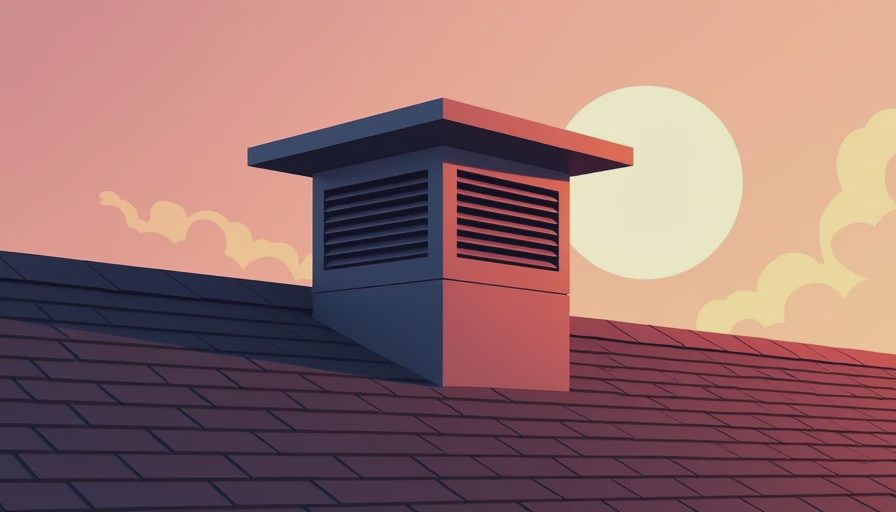
A ridge vent is often a clean choice on a sloped roof with continuous ridge length and adequate soffit intake. It sits near the peak and can provide even exhaust along the ridge. Box vents are practical when the roof shape has hips, valleys, dormers, or limited ridge space. Turbine vents use wind to help exhaust air, although their moving parts can eventually need service.
Powered attic fans are sometimes proposed as a quick fix. They can move air, but an improperly sealed or poorly balanced installation may draw air from the living space instead of the soffits. That can increase energy use and pull humid indoor air toward cold roof surfaces. Ask the contractor to show where replacement air enters before agreeing to a powered fan.
An attic vent should also match the roof assembly. A steep asphalt-shingle roof, low-slope section, metal roof, and cathedral ceiling may require different details. Do not accept a vent plan based solely on the square footage of the attic; the roof geometry and intake path matter just as much.
How ventilation affects roof replacement timing
If your roof is near the end of its service life, ventilation should be reviewed before new shingles are installed. Replacing shingles while leaving crushed soffit openings, missing baffles, or a poorly located attic vent simply buries the problem under a new warranty period. Ask for photographs of the intake and exhaust areas, not just a line item that says “install ventilation.”
The price difference can be modest compared with the total roof project. A basic roof vent repair may cost a few hundred dollars, while adding soffit intake, ridge venting, or structural modifications can run from roughly $500 to several thousand dollars depending on access and roof complexity. A contractor who explains the labor, materials, flashing, and warranty impact is giving you a more useful estimate than one who uses a low allowance with no description.
Roof replacement is also the best time to correct flashing around vents. New shingles cannot compensate for a cracked boot, exposed fasteners, or a vent installed too close to a roof edge. Get ventilation and flashing decisions in writing before the tear-off starts.
Solar panels and attic ventilation: avoid the conflict
Solar panels usually occupy the strongest, least-shaded roof planes, which can reduce the space available for a ridge or box vent. That does not mean solar and an attic vent are incompatible. It means the roofing and solar layouts must be coordinated before either crew arrives.
Panels should not block required intake or exhaust openings. A solar installer may concentrate on racking, conduit, and electrical equipment, while the roofer focuses on underlayment, flashing, and shingles. Those are different responsibilities. The project manager should identify who owns any vent relocation, roof patching, or warranty issue caused by the panel layout.
A practical sequence is to inspect the attic, design the roof ventilation, complete the roof replacement, and then install solar after the roofing materials have been checked. If vents must move, do that during the roof work. Moving them after panels are mounted can mean extra labor, panel removal, roof penetrations, and delays that were avoidable from the start.
What to ask for in competing estimates
When comparing roof and solar bids, request a simple roofline drawing showing every intake and exhaust location. The drawing should identify the ridge vent, box vents, turbines, soffit openings, skylights, chimneys, and planned solar arrays. It should also show whether any existing vent will be removed, retained, or relocated.
Ask these questions in plain language: How does air enter the attic? How does it leave? What happens if the ridge vent is interrupted by a hip or valley? Will baffles be installed where insulation could block soffit airflow? Who repairs a leak around a vent after the solar installation? Which company handles a roof warranty claim if panels or racking are involved?
Also compare material grades and labor assumptions. One estimate might include synthetic underlayment, new metal flashing, and intake repairs; another might price only shingles and a basic exhaust vent. A $2,000 difference is not automatically a bargain if it represents missing scope. The cheapest bid can become the most expensive when a second crew has to reopen finished work.
A homeowner checklist before signing
Start by arranging an attic inspection, especially if the house has musty odors, staining, peeling paint near ceilings, high summer temperatures, or uneven insulation. Photograph questionable areas and ask whether the issue is ventilation, a roof leak, indoor humidity, or a combination.
Next, get the roof age, remaining shingle life, and repair history in writing. If the roof is likely to need replacement during the expected life of solar panels, model that cost before signing a panel contract. Removing and reinstalling solar equipment later can cost thousands of dollars, depending on system size, access, and the installer.
Then compare the roof-only plan with the combined plan. A combined project can save scheduling time and reduce duplicated site visits, but it should not pressure you into buying solar before the roof condition is known. Ask for separate contracts, separate warranties, and a clear payment schedule. The right order matters as much as the right product.
The practical decision
An attic vent is not a decorative add-on to be selected at the end of a roofing estimate. It is part of the roof system, and its placement can affect shingle life, moisture control, attic comfort, and solar layout. Repair a sound roof when the structure and covering have years left. Replace an aging roof before mounting panels when major work is approaching. In either case, make the ventilation plan visible and specific.
A good contractor can explain the airflow path, show the work area, price the needed corrections, and coordinate responsibility with the solar installer. If the proposal cannot answer those basic questions, slow the project down. A few hours spent comparing roof drawings and warranties is cheaper than reopening a finished roof. Start with the roof, verify the attic vent plan, and let the solar decision follow the facts.