Vinyl soffit is easy to overlook because it sits beneath the roof overhang, but it plays a practical role in attic ventilation, moisture control, and finished curb appeal. If you are planning a roof replacement or considering solar panels, this narrow strip around the house deserves a closer inspection. Damaged soffit can point to larger roof-edge problems, and replacing it at the right time is usually simpler than taking it apart later.
Start with the roof, not the pitch. A combined exterior project can save labor, but only when the scope is clear. Before approving a solar proposal, walk the property with a roofing contractor and ask whether the roof deck, fascia, gutters, and soffit are ready for another 20 to 30 years of service.
What vinyl soffit does around your roof
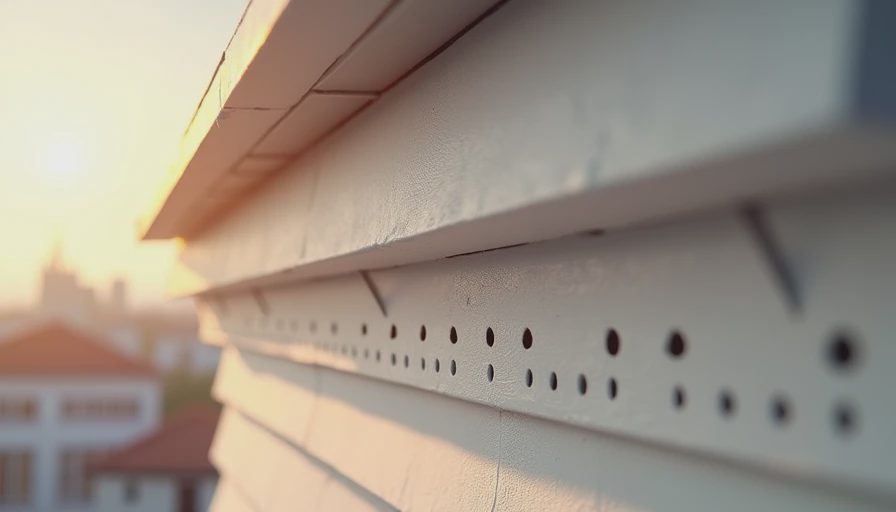
The soffit covers the underside of the roof overhang and helps air move into the attic through intake vents. That airflow works with ridge or gable vents to reduce trapped heat and moisture. In summer, ventilation can help limit attic temperatures. In winter, it helps manage condensation that can contribute to mold, damp insulation, or premature deterioration of roof framing.
Vinyl is popular because it is lightweight, relatively inexpensive, and available in common colors such as white, almond, gray, and brown. Unlike wood, it does not need regular painting. A basic installation often costs roughly $8 to $18 per linear foot, including labor, although regional labor rates, access, trim details, and hidden damage can move the number substantially. A small repair may cost $250 to $700, while a full replacement on a larger house can reach several thousand dollars.
The product is not structural, however. Vinyl soffit will not repair rotten fascia, failing rafters, or a leaking roof edge. If a contractor focuses only on swapping visible panels without tracing the moisture source, the new material can hide the problem for a few seasons instead of solving it.

Signs your soffit needs attention before roofing
Look up from the driveway and check for sagging panels, cracked corners, loose sections, and dark staining. A few small ventilation holes are normal, but broad discoloration or soft material near the fascia deserves a closer look. You can also inspect from a ladder, provided the ladder is stable and you are comfortable working safely; otherwise, ask the roofing crew to document the condition with photos.
Common causes include wind damage, gutter overflow, ice dams in colder regions, animals entering through gaps, and long-term moisture exposure. Vinyl can expand and contract with temperature changes, so a slightly wavy panel is not automatically a failure. Panels that have pulled out of their channels, exposed the attic, or separated at corners are more urgent because insects, birds, and wind-driven rain can enter.
If the damage is limited, a contractor may replace individual panels and repair the receiving channels. If the fascia behind it is rotten, the sequence usually becomes removal, framing or fascia repair, flashing correction, and new soffit installation. Get those steps written into the estimate. “Replace soffit” is not enough detail to show who handles the hidden woodwork.
Coordinating vinyl soffit with a roof replacement
Roof replacement is often the cleanest opportunity to address roof-edge materials. During tear-off, the crew can see whether the drip edge, fascia, underlayment, and ventilation path are working together. Replacing vinyl soffit after the new roof is installed can still be done, but it may require extra setup, trim removal, or careful work around new gutters.
Ask each roofer three direct questions. Will the crew inspect the entire roof perimeter after tear-off? Is intake ventilation being added, preserved, or blocked by insulation? If damaged sections are discovered, what is the labor rate for change-order work? These answers reveal more than a glossy proposal.
A sensible scope might include new aluminum or vinyl fascia trim, corrected drip-edge placement, repaired wood, and continuous vented panels where the design allows. Do not let a contractor close off existing intake vents simply because the new roof looks cleaner. A sealed-looking roof edge can create an overheated or damp attic if ventilation was not planned correctly.
How solar changes the timing decision
Solar panels do not usually attach directly to the soffit, but their installation can make later roof work more complicated. Removing and reinstalling a typical residential solar array can cost thousands of dollars, depending on system size, equipment, roofing access, and the original installer. That is why a roof with questionable remaining life should be evaluated before panels are ordered.
The same logic applies to vinyl soffit. If the roof edge needs repair, complete that work before solar crews arrive. Solar installers are focused on racking, wiring, panels, and inspections; they are not automatically responsible for fascia or soffit defects. A written solar contract may exclude unrelated exterior repairs entirely.
For a homeowner with a 15-year-old asphalt roof and visibly failing soffit, the practical path is usually roof inspection first, then a combined roof-edge scope, then solar design. For a newer roof with one damaged corner, a targeted repair may be enough. The right order matters as much as the right product.
Comparing materials and estimating the real cost
Vinyl is not the only option. Aluminum soffit costs more in many markets but resists cracking and can offer a sturdier feel. Wood provides a traditional appearance but requires painting and careful moisture management. Fiber cement can deliver a substantial finish, though it is heavier and generally more labor-intensive. For many homeowners, vinyl remains the sensible middle ground when the existing trim is in good condition and the goal is dependable performance without a premium custom exterior package.
When comparing bids, separate the material from the surrounding work. A $1,500 quote might cover only panel replacement on an accessible ranch house. A $6,000 quote could include two-story access, fascia repair, new vents, disposal, and repainting adjacent trim. Neither number is meaningful without the line items.
Request measurements in linear feet, the panel type, vented versus solid sections, color, trim profile, warranty terms, and a description of wood repairs. Also ask whether gutters will be removed and reset. Gutter removal can add several hundred dollars, but it may be necessary for a clean installation along the eaves.
A homeowner checklist before signing
Take dated photos of every damaged area and save them with your roof estimates. Ask whether the contractor has discovered active leaks, carpenter ants, bird entry, or attic condensation. Confirm that ventilation changes will not conflict with blown-in insulation. If solar is part of the plan, give the roofing company the solar layout and ask both contractors to identify who owns flashing, conduit penetrations, and post-installation repairs.
Check that the roofing contractor carries liability insurance and workers’ compensation coverage, and read the workmanship warranty rather than relying on a salesperson’s summary. Product warranties from manufacturers such as CertainTeed, Owens Corning, or Ply Gem are not the same as a contractor’s labor warranty, and they may have different limitations.
Finally, leave room in the budget for hidden damage. A reasonable contingency of 10% to 15% can prevent a rushed decision when tear-off exposes wet sheathing or deteriorated fascia. Do not bundle confusion into the biggest check you write this year. A clear roof-edge scope, followed by a properly timed solar decision, protects both the house and the budget.
For most homeowners, vinyl soffit is a practical choice when ventilation is preserved, moisture sources are corrected, and the installation is coordinated with the roof. Get the roof inspected first, compare complete scopes rather than headline prices, and make every contractor explain what happens at the edge of the house before work begins.