Searching for the best roofers near me is usually not a casual research project. A roof leak, storm warning, or aging shingle can turn a quiet weekend into a decision involving thousands of dollars. The goal is not to find the loudest advertisement or the lowest number on a quote. It is to find a contractor who can explain the roof's condition, document the work, and tell you honestly whether repair, replacement, or a future solar project makes sense.
Start with the roof, not the pitch. Before discussing premium shingles, financing, or solar panels, ask for a roof inspection that identifies the actual problem. A missing shingle, flashing failure, soft decking, and widespread granule loss require different solutions. A reputable roofer should photograph problem areas and explain what happens if you wait six months. If the answer is vague or built around pressure, keep looking.
What the best roofers near me should show you
A trustworthy company makes verification easy. Ask for the business name, physical service area, contractor license information where applicable, proof of general liability insurance, and workers' compensation coverage. Insurance protects you from becoming financially responsible for certain accidents on your property, but it does not replace a written contract. Request a certificate of insurance sent directly from the carrier when the project is substantial.
Look for a track record that matches your project. A company that handles asphalt shingle replacements every week may not be the right choice for a steep slate roof, metal roof, or complex solar-ready installation. Ask how long the business has operated under its current name, who will supervise the crew, and whether subcontractors will perform the work. Manufacturer credentials from brands such as GAF, Owens Corning, or CertainTeed can be useful, but they do not guarantee good communication or careful installation.
Online reviews help when you read them for patterns rather than chasing a perfect score. Repeated comments about clean-up, missed appointments, or warranty calls deserve attention. Also ask for two or three recent local references with similar roof types. The best roofers near me will not object to reasonable questions about their process.
Compare roofing estimates line by line
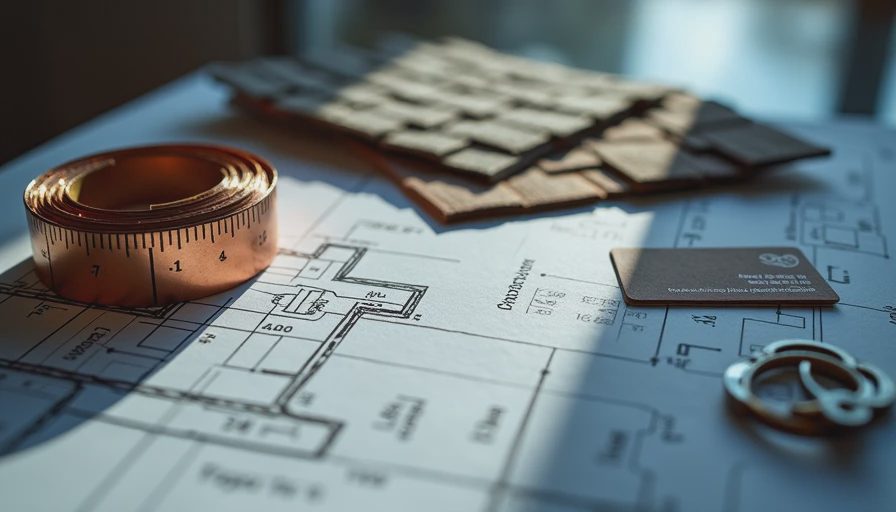
A roofing estimate is useful only when you can compare the same scope of work. One bid might include tear-off and disposal while another assumes new shingles can be installed over an existing layer. Ask every contractor to state the number of shingle layers, underlayment type, ice and water protection, drip edge, flashing replacement, ventilation work, ridge caps, permits, cleanup, and final inspection.
For a typical U.S. asphalt shingle replacement, homeowners often encounter totals ranging from roughly $10,000 to $25,000, though roof size, pitch, region, material, and decking damage can move the number substantially. Do not treat that range as a quote. Treat it as a reminder to investigate why two bids differ by $8,000. The cheaper proposal may exclude chimney flashing, plywood replacement, haul-away fees, or a required permit.
A sound contract should identify the product line, color, payment schedule, start conditions, estimated duration, change-order process, workmanship warranty, and manufacturer warranty. Avoid paying the entire amount before work begins. A modest deposit followed by payments tied to materials and completed milestones gives both sides clearer expectations. The best roofers near me explain what can change the price before a crew begins tearing off shingles.
Repair, replace, or prepare for solar?
A roof that is near the end of its useful life deserves special attention if solar is part of your plan. Removing and reinstalling panels later can add labor, create scheduling problems, and complicate responsibility if a leak develops. That does not mean every homeowner should replace a serviceable roof before going solar. It means the roof's age and condition belong in the same conversation as the panel proposal.
Ask for the roof's estimated remaining service life, not just a sales opinion. If a twelve-year-old roof has active leaks, exposed fasteners, deteriorated flashing, or soft decking, replacement before solar is often the cleaner sequence. If the roof is newer and well maintained, a solar installer may be able to proceed without roofing work. The right order matters as much as the right product.
When comparing the best roofers near me with solar companies, clarify who removes panels for future roof work, who reinstalls them, and whose warranty covers the roof penetrations. A combined project can save money through coordinated scheduling, but it can also hide confusion. Don’t bundle confusion into the biggest check you write this year.
Warning signs in a roofing sales visit
Be cautious when a salesperson claims your roof must be replaced immediately without showing evidence. Storm-related work can be especially vulnerable to pressure tactics, including promises that an insurer will pay for everything or requests to sign an assignment of benefits before you understand the contract. Your homeowners policy may cover sudden damage from a covered event, but it generally does not pay to replace an old roof solely because it has worn out. Coverage, deductibles, exclusions, and depreciation depend on the policy and claim facts.
Other warning signs include a bid that is only a handwritten total, demands for full payment upfront, unusually large discounts that expire that evening, and reluctance to provide insurance documents. Be careful with contractors who promise to waive your deductible. That arrangement can create insurance and legal problems, while a legitimate contractor should leave claim decisions between you and your insurer.
The best roofers near me give you time to read the agreement. They can explain the difference between a workmanship warranty and a manufacturer's product warranty, and they will identify who handles a callback if water appears after installation.
A practical selection process
Start with three written estimates, but schedule inspections with companies that communicate clearly before they ever visit. During each appointment, take notes about roof age, visible damage, ventilation, decking, flashing, and the recommended timeline. Ask the same questions in the same order so the comparison stays fair.
Next, verify licenses and insurance, search for unresolved complaint patterns, and call references. Then compare the scope rather than circling the lowest total. A $15,500 proposal with complete flashing and ventilation can be a better value than a $12,000 proposal that leaves those items as vague allowances. If the roof is being prepared for solar, request coordination details in writing from both companies.
Before signing, confirm the permit responsibility, expected weather delays, material delivery plan, cleanup standard, and final payment condition. Photograph the property before work begins, including gutters, siding, skylights, and landscaping. Those records make it easier to discuss accidental damage without turning a small issue into an argument.
Making the final call
The best roofers near me are not necessarily the largest companies, the cheapest bidders, or the contractors with the most dramatic trucks. They are the ones that diagnose the problem accurately, define the work precisely, carry appropriate coverage, and stay accountable after the final nail. A local crew with a strong process can be an excellent choice, while a national brand can also work when its local office provides clear documentation and dependable supervision.
Take a day to compare the proposals unless an active leak requires immediate temporary protection. A tarp, emergency flashing repair, or other short-term measure can protect the interior while you make a careful replacement decision. If solar is under consideration, finish the roof analysis first and then calculate the combined project cost, financing charges, expected energy value, and future maintenance responsibilities.
A roof is not the place for mystery pricing or rushed promises. Choose the contractor who makes the next step easier to understand, gives you evidence instead of fear, and leaves the warranty path clear. That approach may not produce the flashiest sales experience, but it gives your home a better chance of staying dry, protected, and ready for whatever upgrade comes next.