Searching for roof inspectors near me usually means something has changed: you spotted a ceiling stain, found loose shingles after a storm, or started planning solar and realized the roof has to carry that investment for decades. The first useful step is not accepting the fastest sales appointment. It is getting an independent, documented opinion about the roof’s condition.
A roof inspection can reveal whether the roof needs a small repair, a full replacement, or no immediate work at all. That distinction matters because solar panels are typically installed for 20 to 30 years, while a roof near the end of its service life may need to be removed and replaced underneath them. Start with the roof, not the pitch.
What a professional roof inspection should cover
When comparing roof inspectors near me, look for someone who will inspect more than the shingles visible from the driveway. A useful inspection includes the roof covering, flashing around chimneys and walls, valleys, vents, gutters, pipe boots, skylights, and visible areas of the attic. The inspector should also look for sagging, soft decking, water staining, inadequate ventilation, and signs of previous repairs.
Ask whether the inspection is visual only or includes moisture detection. A visual inspection can identify many problems, but moisture meters or infrared equipment can sometimes help trace a leak that does not line up with the stain inside the home. Neither tool replaces careful judgment, and a dramatic-looking report is not automatically a better report.
The final deliverable should include dated photographs, a written description of each concern, an estimate of remaining useful life, and clear next steps. “Needs attention” is not enough. You want to know whether the issue is a $300 flashing repair, a $2,000 section repair, or a roof replacement that could cost $10,000 to $25,000 or more depending on size, materials, pitch, and location.
Independent inspector or roofing contractor?
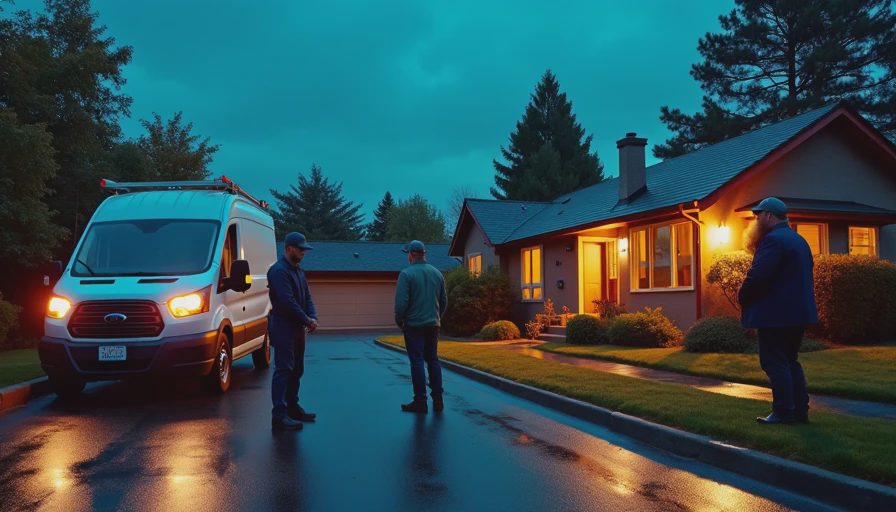
A roofing contractor can provide valuable information, especially when you need a repair or replacement estimate. However, a contractor earns money from the work that follows the inspection. An independent inspector generally charges for the evaluation itself and does not profit from installing shingles. That separation can make the advice easier to evaluate when the stakes are high.
This does not mean every contractor is trying to oversell you, or that every independent inspection is perfect. It means you should understand who is being paid, what the inspection includes, and whether the person has a financial interest in the recommended project. When reviewing roof inspectors near me, ask for licensing or certification details required in your state, proof of liability insurance, and a sample report with personal information removed.
You can also request references for comparable homes, but treat online reviews as one input rather than proof. A company with hundreds of five-star reviews may still be a poor fit for a complex roof-and-solar sequence. The best report is specific enough that another qualified professional can understand what was observed.
How to tell whether a roof is ready for solar
A solar installer may say the roof is suitable after a quick review, but that is not the same as a complete roof evaluation. If the roof is more than 15 years old, has multiple repair layers, shows widespread granule loss, or has a history of leaks, arrange an independent inspection before signing a solar contract. Roof inspectors near me can help separate a cosmetic concern from a structural or water-management problem.
Roof age is only one factor. Architectural asphalt shingles often last roughly 20 to 30 years, while metal, tile, and premium systems can have different service expectations. Local weather, ventilation, installation quality, tree exposure, and storm damage all change the calculation. A roof that looks acceptable from the yard may still have brittle shingles or deteriorated flashing that becomes difficult to access after panels are installed.
If replacement is likely within the next several years, replacing the roof before solar is usually cleaner. You avoid paying to remove and reinstall panels, reduce scheduling conflicts, and establish clearer warranty responsibility. A combined project can save money, but it can also hide confusion. Do not bundle confusion into the biggest check you write this year.

Questions to ask before hiring an inspector
Before booking an appointment, ask five practical questions. First, what exactly is included in the inspection, and will you receive photographs and a written report? Second, will the inspector enter the attic or inspect only from the ground and roof surface? Third, does the company perform repairs or replacements, and if so, how are those services separated from the inspection fee? Fourth, will the inspector identify storm damage without promising an insurance claim? Fifth, can the inspector explain whether the roof can reasonably support a solar installation after repairs?
A typical residential inspection may cost around $150 to $500, with larger, steep, complex, or difficult-to-access roofs costing more. That fee is small compared with the disruption of removing a newly installed solar array or discovering rotten decking after a reroof begins. When searching roof inspectors near me, compare the scope of work, not just the lowest advertised price.
Avoid anyone who promises that insurance will pay before documenting damage, demands a large cash deposit for a simple inspection, or pressures you to sign a roofing contract during the first visit. An inspector should explain findings without creating panic.
Insurance, warranties, and the paper trail
A roof inspection is not an insurance claim, and an inspection report does not guarantee coverage. Homeowners insurance commonly covers sudden, accidental damage from a covered event, subject to the policy’s deductible and exclusions. It generally does not pay for gradual wear, deferred maintenance, or an old roof simply reaching the end of its useful life. Keep that distinction clear when discussing hail, wind, or fallen-tree damage.
Save the report, photographs, repair invoices, permits, and contractor agreements. If solar is involved, keep the roofing and solar scopes side by side. One contract should identify who removes and reinstalls panels if future roof work is needed. Another should explain workmanship warranties, manufacturer warranties, flashing details, and responsibility for leaks near attachments.
Roof inspectors near me should not be used as a substitute for reading those contracts. Their report helps you make the decision; the contracts determine who is responsible afterward. The right order matters as much as the right product.
A sensible next step for homeowners
Start by scheduling an inspection before collecting solar proposals. Give the inspector your roof age, leak history, storm concerns, and plans for panels. After reviewing the report, get two or three roofing estimates if replacement is recommended. Then ask solar companies to price the system using the confirmed roof condition rather than a quick visual guess.
If the roof needs only a defined repair and has substantial life remaining, document the repair before solar work begins. If replacement is due soon, complete the roof first, verify the installation, and then move to solar. If the report finds no meaningful concern, you can compare solar proposals with more confidence and fewer surprise costs.
The best roof inspectors near me are not the ones who create the longest emergency list. They are the ones who give you enough evidence to choose the right sequence, understand the dollars involved, and protect the work after installation. A calm inspection today can prevent a rushed roof decision, a disputed warranty, and an avoidable second project later.