If your metal roof is aging but not failing, roof coating for metal roof systems can look like a sensible middle path between patching and a full replacement. It is not a magic layer that turns a damaged roof into a new one, though. The value depends on the panels' condition, the coating chemistry, the installer, and whether solar is part of your plan. Start with the roof, not the pitch, and decide whether coating solves a real problem or simply delays a larger expense.
What a coating actually does
A roof coating is a fluid-applied membrane rolled, brushed, or sprayed over an existing roof surface. Common options include acrylic, silicone, and elastomeric products. Once cured, the coating can seal small surface gaps, cover exposed fasteners, reduce ultraviolet exposure, and create a more uniform weather-resistant layer. Light-colored coatings can also reflect more sunlight than dark, weathered metal, which can reduce heat absorption in the roof assembly.
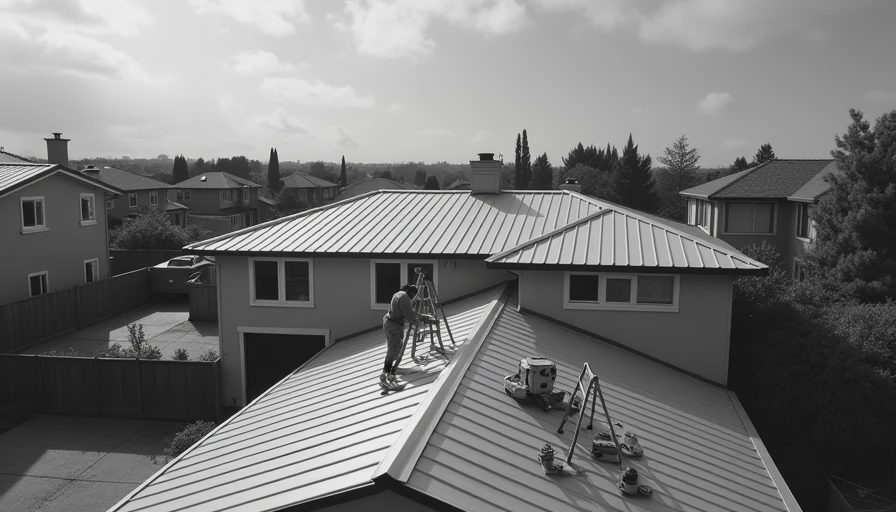
That benefit has limits. Coating does not straighten severely rusted panels, repair loose seams, replace missing fasteners, or correct poor drainage. A contractor should inspect the metal for corrosion, oil-canning, failed sealant, loose trim, ponding water, and movement at penetrations before discussing a product. If water is already entering the attic, the repair plan needs to address the source first.
For a reasonably sound roof, roof coating for metal roof projects often cost less than replacement. A broad planning range is roughly $1.50 to $4.50 per square foot, depending on preparation, access, repairs, and material. A 2,000-square-foot roof might therefore produce a quote from about $3,000 to $9,000. Replacement can run several times higher, especially when tear-off, decking repairs, insulation, flashing, and disposal are included.
When coating makes financial sense
Coating is most useful when the roof has useful life left but needs better surface protection. For example, a 12-year-old ribbed steel roof with tight seams, limited rust, and no interior leaks could be a good candidate. Spending $5,000 to protect it for several more years may be easier to justify than spending $18,000 or more on a new roof that does not yet need replacement.
The calculation changes when repair work consumes much of the budget. If a contractor must replace large sections, rebuild curbs, correct drainage, and remove widespread rust, coating can become an expensive pause button. Ask for two written estimates: one for preparation and coating, and another for the replacement you would otherwise consider. Compare the expected service period, not just the check due this month.
Roof coating for metal roof work can also be attractive before a planned home sale, but avoid treating it as a cosmetic cover-up. Keep product labels, preparation records, photographs, invoices, and warranty documents. A buyer's inspector will still look for active leaks, damaged framing, and concealed corrosion. A clean paper trail helps explain what was done and when.
The solar question comes first, not last
Solar changes the timing decision. Mounting equipment requires roof penetrations, rails, wiring, and future access around panels. If you coat the roof and then install solar immediately, the solar crew may disturb the coating or create a warranty dispute about who is responsible for a leak. If you install solar on an old roof, removing the array later for replacement can add thousands of dollars in labor.
A practical sequence is to inspect the roof before requesting solar proposals. If the metal roof is likely to last through the solar system's expected service life, coating can be part of the plan. If the roof is already near the end of its reliable life, replacement before solar is usually cleaner. In a combined project, ask the roofing and solar companies to document who handles flashing, penetrations, detach-and-reset work, and leak claims.
Do not assume a coating qualifies for an energy tax credit simply because it is marketed as reflective or energy efficient. Federal and state incentives change, and eligibility depends on the specific improvement and current rules. Treat energy savings as a possible benefit, not the main reason to approve a questionable roof project.
Choosing the right product and contractor
Product type matters. Acrylic coatings are often used for reflective applications and can be cost-conscious, but they may be less suitable where water regularly stands. Silicone coatings generally handle ponding water better, though they can attract dirt and require compatible preparation. Elastomeric products can bridge limited movement and surface imperfections, but the label's use limits still matter. A reputable contractor should name the product, manufacturer, dry-film thickness, primer requirements, and expected preparation steps.
Be cautious when a quote says only “roof sealant” without a measured scope. Roof coating for metal roof applications is not one universal product. Ask whether the price includes power washing, rust treatment, seam reinforcement, fastener replacement, primer, two coats, and inspection of penetrations. Confirm whether the warranty covers materials only or also labor and leaks caused by installation.
A low bid can hide preparation shortcuts. Coating over chalk, oil, loose rust, or wet seams often produces a better-looking roof for a short period, followed by peeling or premature failure. The contractor should explain how moisture will be tested and how the surface will be allowed to dry. You should also receive maintenance instructions, including how to inspect seams and avoid incompatible repairs.
A homeowner's decision path
Start by getting an independent roof inspection, especially if the coating seller is also the person diagnosing every defect. Photograph rust, seams, flashing, gutters, skylights, and attic conditions. Then ask for a repair-only price, a coating price, and a replacement price. This three-option comparison makes it easier to see whether coating is a durable strategy or just the middle number in a sales presentation.
For roof coating for metal roof projects, review the written warranty before signing. Look for exclusions involving ponding water, foot traffic, structural movement, concealed rust, and repairs by other contractors. If solar is possible within the next few years, disclose that before work begins and ask for a coating compatible with the planned mounting approach.
The right answer is often straightforward: coat a sound roof, replace a failing roof, and do not let a solar deadline force the sequence. A combined project can save money, but it can also hide confusion about warranties and responsibility. Get the roof decision settled first, then compare solar bids using the roof's actual condition. Don’t bundle confusion into the biggest check you write this year.