Metal shingles deserve a closer look when your roof is aging, especially if you are also considering solar. They are not the cheapest roofing option at the beginning, but metal shingles can change the long-term math through durability, lower maintenance, and easier project timing. The decision is less about finding the most impressive material and more about matching the roof to your home, budget, weather exposure, and future plans.
A roof replacement is already a major expense. Adding solar, ventilation work, insulation, or structural repairs can make the project harder to manage. Start with the roof, not the pitch. Before signing a solar agreement or choosing a product based on a showroom sample, determine whether the roof can safely serve for the next 25 to 30 years.
What metal shingles cost and what you get
For many U.S. homes, installed metal roofing can cost roughly $8 to $16 per square foot, although the final price depends on the panel style, roof shape, tear-off requirements, location, flashing details, and contractor experience. A 2,000-square-foot roof surface could therefore land somewhere around $16,000 to $32,000 before unusual structural repairs or premium finishes. The roof surface is usually larger than the home's floor area, so use an actual roofing estimate rather than a simple square-footage guess.
Metal shingles generally cost more than common asphalt shingles, which often have a lower initial installed price. However, the comparison should include replacement timing. Architectural asphalt shingles may last around 20 to 30 years under favorable conditions, while properly installed metal roofing can last 40 to 70 years or longer, depending on the material, coating, climate, and maintenance. Aluminum, galvanized steel, galvalume steel, and copper all behave differently and carry very different price tags.
The best value is not automatically the material with the longest warranty. A 50-year product warranty does not correct poor flashing, bad fastening, inadequate ventilation, or sloppy work around chimneys. Ask what the contractor's workmanship warranty covers, how long it lasts, and who handles a leak if the roofer and manufacturer blame each other.
How metal shingles perform in real weather
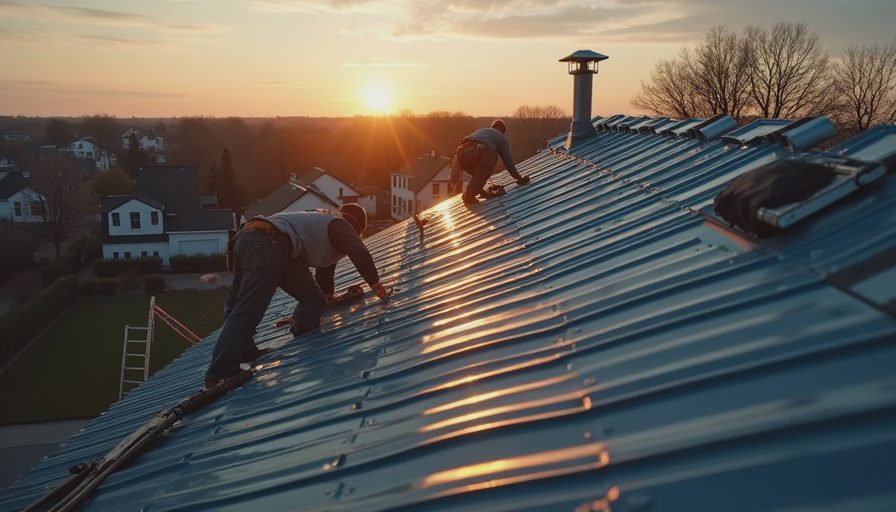
Metal shingles can handle many weather conditions well, including heavy rain, wind, and exposure to sun. They are also resistant to rot and insect damage. In areas with wildfire concerns, some metal assemblies offer strong fire performance, but the rating belongs to the complete roof system, not just the visible material. Confirm the assembly rating with the manufacturer and installer.
Hail is more complicated. Metal does not absorb impact in the same way as asphalt, and a severe storm can dent panels or scratch a finish. A dent may be cosmetic, or it may affect the protective coating and lead to corrosion over time. Review your homeowners insurance policy before installation. Some policies handle cosmetic damage differently from damage that affects the roof's function, and deductibles for wind or hail may be separate from the standard deductible.
Noise is another common concern. A properly installed metal roof over a solid roof deck with suitable underlayment is not usually dramatically louder than asphalt during ordinary rain. An open, poorly insulated attic can make any roof sound louder. Ask how the installer will handle underlayment, decking, ventilation, and attic insulation instead of relying on a sales claim.
Color selection also matters. Dark finishes can absorb more heat than lighter colors, although attic ventilation and insulation influence indoor comfort. Choose a coating designed for the local climate and confirm whether fading, chalking, and finish damage are covered under the product warranty.
Metal shingles and solar: sequence matters
If solar is part of the plan, metal shingles can be a sensible long-term foundation, but the roof should be inspected first. Solar panels often remain in place for decades. Replacing an otherwise serviceable roof before installation is disruptive; replacing a failing roof after panels are installed adds removal, storage, reinstallation, and possible electrical coordination costs. Those extra steps can easily add several thousand dollars to a project.
Ask both contractors for a written sequence. In many cases, the roofer completes the roof, flashing, and any structural work before the solar installer mounts equipment. The solar company may need to provide attachment specifications in advance so the roofing crew understands where penetrations, mounts, and flashing will occur. A vague promise that the teams will coordinate is not enough.
Metal shingles require compatible mounting hardware and careful detailing around penetrations. A solar installer experienced only with asphalt may not be the right choice for a standing-seam or interlocking metal system. Conversely, a roofer may not understand electrical conduit routing, inverter placement, or utility approval. Ask for examples of similar projects, not just a list of logos.
The financial question deserves equal attention. Federal incentives and local programs can change, while financing rates affect the practical payback of solar. Do not assume a tax credit makes a combined project affordable. Compare the roof-only price, solar-only price, and combined cash-flow schedule. A combined project can save money or hide confusion, so separate the scopes line by line.
Comparing metal shingles with other roof choices
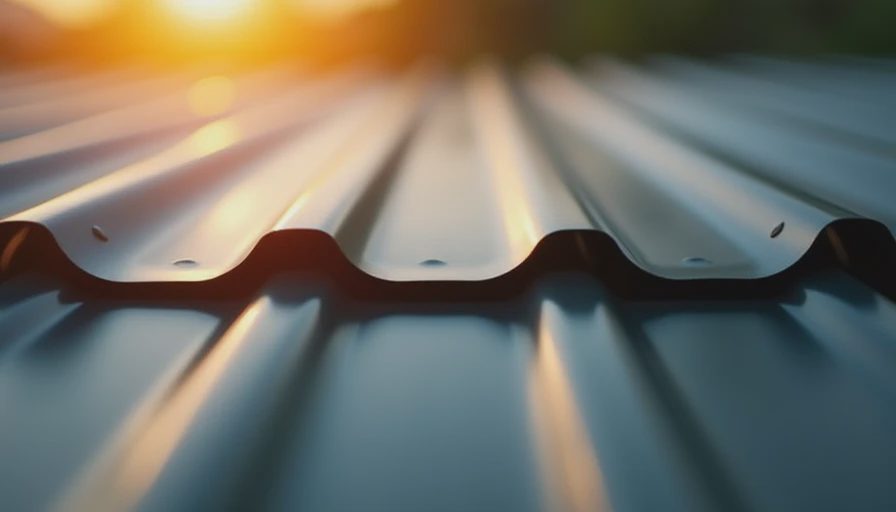
Asphalt is usually the straightforward budget option. It has a large contractor base, familiar repair methods, and lower upfront pricing, but it may require replacement sooner. Standing-seam metal offers clean lines and can sometimes support solar attachments without as many exposed penetrations, but it may cost more and requires specialized installation. Metal shingles provide a more traditional appearance and can suit homeowners who want durability without the look of large vertical panels.
Tile can last a long time and offers strong curb appeal, but its weight may require structural review and its repair costs can be high. Synthetic slate and composite products can mimic premium materials at a lower weight, though their long-term track record varies by product. For a coastal home, mountain property, or house beneath large trees, the best choice may be driven by salt exposure, snow, falling branches, or local contractor availability rather than appearance alone.
Request at least three detailed bids. Each should identify the roof area, tear-off layers, decking allowance, underlayment, flashing, ventilation, edge metal, fasteners, disposal, permits, and workmanship warranty. When one proposal is $10,000 lower, find out what is missing before calling it a bargain.
A homeowner's inspection and bid checklist
Start by asking how the contractor evaluates decking. A bid that includes no allowance for damaged plywood can change quickly after tear-off. Ask whether the crew will photograph questionable areas and obtain approval before exceeding the allowance.
Next, confirm the ventilation plan. Ridge vents, soffit intake, gable vents, and powered fans are not interchangeable solutions. The contractor should explain how the proposed system moves air through your specific attic. Poor ventilation can contribute to trapped moisture, premature material aging, and uncomfortable summer temperatures.
Then review the flashing details. Valleys, wall intersections, chimneys, skylights, plumbing vents, and roof-to-wall transitions deserve more attention than a broad promise of leak protection. Ask which components are replaced rather than reused.
Finally, clarify payment stages and completion documents. Avoid paying the full balance before the roof is finished, debris is removed, and required inspections are complete. Keep the final invoice, product information, color name, warranty documents, permit records, and photos in one folder. These records can help with future repairs, insurance questions, and a home sale.
When metal shingles make financial sense
Metal shingles often make the most sense for a homeowner who expects to stay in the house, has a roof with difficult access, wants to reduce replacement frequency, or plans to add solar after the roof work. They are less compelling when the property is likely to be sold soon, the budget cannot absorb the upfront cost, or qualified installation is unavailable locally.
A practical decision starts with three numbers: the installed roof price, the expected maintenance and replacement timeline, and the cost of disturbing the roof later for solar or other equipment. Add the insurance implications, financing cost, and any structural repairs. Then compare that total with a less expensive roof that may need another major project sooner.
You do not need to choose the most expensive system to make a responsible decision. You need a roof assembly that matches the house and a contractor who explains the work without hiding assumptions. The right order matters as much as the right product. If solar is possible, design the roof plan around that future before the first fastener is installed, and do not bundle confusion into the biggest check you write this year.