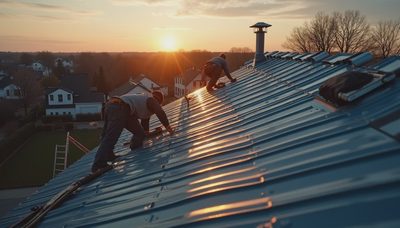
If you are asking how much for a new roof, you probably need a useful range before a contractor arrives with a clipboard and a financing pitch. In the United States, a straightforward asphalt shingle replacement often lands between $8,000 and $18,000, while a large, steep, or complicated roof can exceed $25,000. Material choice, roof size, tear-off work, local labor, ventilation, and hidden damage all move the final number.
The first step is not choosing a color or calling the cheapest company. It is figuring out whether the roof needs a repair, a replacement, or a replacement that should be timed around solar. A combined project can save money, but it can also hide confusion about warranties and responsibility. Start with the roof, not the pitch.
How much for a new roof by material and house size
For many U.S. homes, architectural asphalt shingles provide the most predictable starting point. A typical 1,500-square-foot roof may cost roughly $7,000 to $13,000 installed, while a 2,500-square-foot roof may run $11,000 to $20,000. These are roof-area estimates, not the square footage of the living space. A two-story home with a simple gable roof can have less roof area than a single-story home with multiple additions.
Three-tab shingles can reduce the initial price, but architectural shingles are more common and often offer better appearance and wind ratings. Standing-seam metal frequently costs $15,000 to $35,000 or more, depending on the profile and underlayment. Concrete or clay tile can reach $25,000 to $50,000, especially when structural reinforcement is needed. Wood shakes, slate, and premium synthetic materials occupy their own price ranges.
When comparing how much for a new roof, ask whether each estimate includes removal and disposal of the old roofing, synthetic underlayment, drip edge, flashing, ridge vents, starter shingles, cleanup, and permit fees. A bid that appears $3,000 cheaper may simply leave those items out.
The cost details homeowners miss
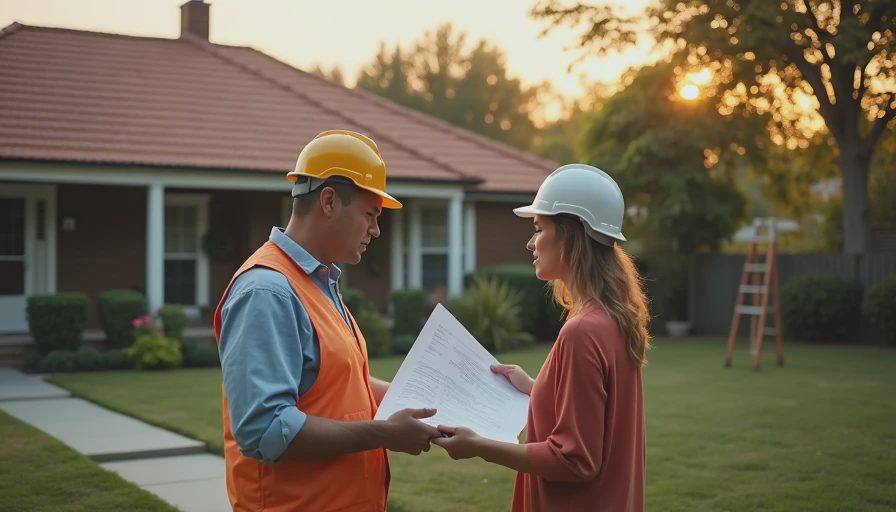
Roofers usually price by the “square,” which equals 100 square feet of roofing material. A roof with 24 squares does not necessarily require only 24 squares of shingles because contractors add waste for cuts, valleys, hips, and starter materials. Complex designs use more labor and generate more waste than a basic rectangle.
Pitch is another major factor. A steep roof requires additional safety equipment, slower movement, and more setup time. Dormers, skylights, chimneys, solar tubes, and several roof planes create flashing details where leaks can develop if installation is rushed. In many markets, labor and safety demands can add several thousand dollars compared with a low-slope, walkable roof.
The tear-off can reveal rotten decking, damaged fascia, inadequate ventilation, or old flashing. Replacing roof decking might cost approximately $75 to $150 per sheet, although the total depends on access and how much damage is found. Do not accept an unlimited change-order clause. Ask for the per-sheet price, photo documentation, and a call before major extra work begins.
Ventilation deserves attention because a new roof does not fix trapped attic heat or moisture by itself. A contractor may recommend soffit intake vents, ridge vents, or baffles. The right setup depends on the attic design, and adding ventilation can cost a few hundred dollars to several thousand dollars.
How much for a new roof when solar is part of the plan
If you are considering solar, how much for a new roof should be answered before panels are installed. Solar panels can last 25 years or longer, while an aging shingle roof may need replacement much sooner. Installing panels on a roof with only a few useful years left can create a second expensive project: paying to remove and reinstall the solar equipment during reroofing.
The cleanest sequence is generally roof inspection, roof replacement if needed, solar installation, then final electrical and utility approvals. The roofing contractor should complete the roof and flashing work before the solar crew attaches racking. The solar company should identify attachment points, waterproofing methods, equipment ownership, and who handles removal if the roof needs service later.
A homeowner might see a $14,000 roof estimate and a $28,000 solar proposal and focus only on the combined monthly payment. That misses the practical question: is the roof suitable for the full solar financing period? A new roof can make solar timing easier, but it does not automatically make solar financially attractive. Compare energy use, shade, utility rules, financing interest, and the expected time you will remain in the home.
Don’t bundle confusion into the biggest check you write this year. Get a roof-only scope and a solar-only scope, even if one company coordinates both.
How to compare roof replacement estimates
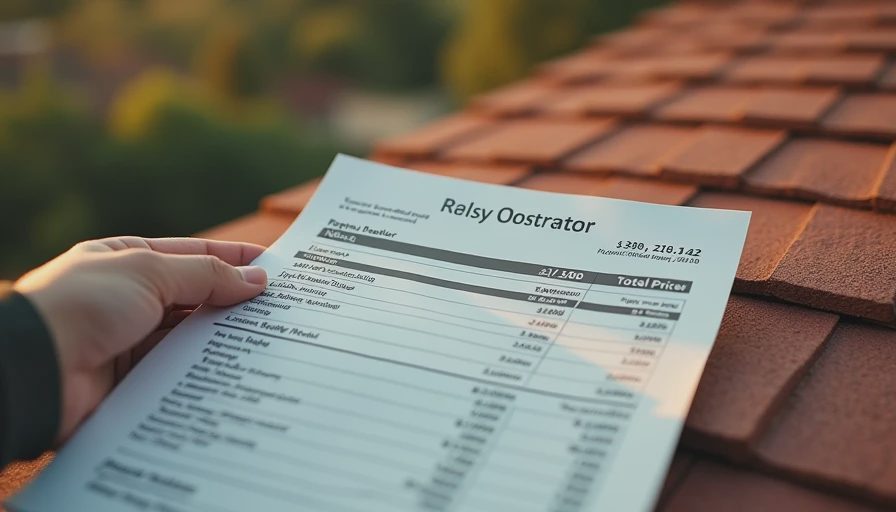
When reviewing how much for a new roof, place bids side by side rather than comparing only the total. Confirm the shingle manufacturer and product line, warranty terms, underlayment type, flashing replacement, ventilation plan, cleanup process, payment schedule, and expected start date. A reputable proposal should state whether the contractor will obtain permits and arrange inspections.
Look for proof of general liability and workers’ compensation insurance. Licensing requirements differ by state and locality, so verify the contractor through the appropriate state or local office. Ask for recent references with similar roof types, not just a list of five-star reviews. You want to know whether the crew protects landscaping, communicates weather delays, and returns to address small issues after final payment.
Be cautious when a salesperson says an insurance claim will cover everything before an adjuster has inspected the property. Storm damage can support a claim, but normal wear, poor maintenance, and exclusions may not be covered. Your deductible still applies, and filing a claim can affect your insurance history. Keep dated photos and obtain an independent inspection when the damage is unclear.
Timing, financing, and the number that matters
The answer to how much for a new roof is not complete until you understand cash flow. A cash project avoids loan interest, but it can reduce emergency savings. Contractor financing may offer promotional terms, yet deferred-interest language and high regular rates deserve careful reading. A $15,000 roof financed over five years can cost substantially more than $15,000, depending on the rate and fees.
Ask whether the deposit is reasonable and tied to materials or scheduling. Avoid paying the full balance before the work is complete and inspected. Your contract should explain workmanship coverage, manufacturer coverage, exclusions, cleanup, change orders, and what happens if severe weather delays the project.
Spring and fall schedules can fill quickly, while winter work may be limited by temperature and weather. A rushed decision is rarely improved by a countdown clock. If active leaks are damaging ceilings or insulation, arrange temporary protection and address urgent areas, but still collect enough information to compare the replacement plan.
A practical next step for homeowners
Start by taking attic and exterior photos, noting stains, missing shingles, granule buildup, sagging areas, and the approximate roof age. Then request at least three written estimates with the same scope. Have each contractor explain repair versus replacement, expected service life, decking assumptions, ventilation, and solar compatibility.
For a simple asphalt roof, a realistic budget might be $10,000 to $18,000. Keep an additional reserve for decking, flashing, code-required ventilation, or other concealed work. If bids vary dramatically, investigate the scope instead of automatically choosing the lowest price.
The right order matters as much as the right product. Decide whether the roof is sound, price the work transparently, and only then evaluate solar or financing. That process gives you a clearer answer to how much for a new roof and leaves fewer expensive surprises after the crew arrives.