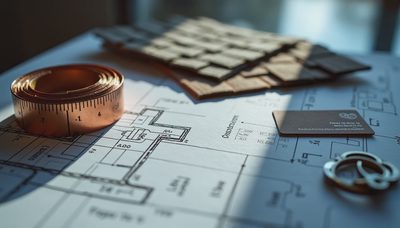
A gable vent can look like a simple decorative opening, but it plays a real role in how heat and moisture leave an attic. If you are planning a roof replacement, considering solar panels, or investigating musty attic air, understanding the gable vent is a useful place to start. A roof-first review can prevent you from paying for a new roof, solar array, or ventilation upgrade that does not solve the actual problem.
What a gable vent does for your roof
A gable vent sits in the triangular wall section beneath a roof peak. Depending on the home’s design, it allows air to move through the attic when wind pressure and temperature differences create circulation. Common versions include louvered vinyl panels, aluminum vents, wood-framed openings, and decorative architectural vents with screened backs.
The gable vent is not the same thing as a powered attic fan, soffit vent, ridge vent, or roof turbine. Those products work differently, and an attic can have several ventilation components working together. Ideally, cooler intake air enters near the eaves through soffits while warmer air exits near the ridge or upper gable. A gable vent can support that exchange, but it cannot compensate for blocked soffits, missing insulation baffles, or a roof deck with active leaks.
A quick attic inspection should look for dark staining, wet insulation, rusted fasteners, peeling paint, mold-like growth, and daylight around the vent frame. In coastal or storm-prone areas, also look for damaged screens and loose louvers. A small opening can admit wind-driven rain, insects, bats, or birds if the surrounding frame has pulled away from the siding.

Repair or replace the vent during a roof project
Replacing a basic gable vent often costs roughly $200 to $700 when access is easy and the surrounding trim is sound. Larger custom wood units, high rooflines, extensive siding removal, or water-damaged sheathing can push the work above $1,000. The vent itself may cost less than $100, while labor, flashing, trim, paint, and safe access make up much of the final bill.
During a roof replacement, the gable vent should be inspected before new shingles cover the roof edges and before exterior crews leave the site. A roofer can remove loose trim, replace deteriorated sheathing, install a weather-resistant flashing detail, and secure a new screened unit. Ask whether the proposal includes disposal, exterior painting, insect screening, and repairs to the wall opening. Those details are often missing from a low starting price.
A replacement is usually justified when louvers are broken, the screen is missing, wood is soft, or water marks extend into the attic wall. If the unit is structurally sound but dirty, repainting and screen repair may be enough. Do not let a contractor sell a larger ventilation package without showing where the existing airflow is failing.
How solar changes the timing decision
Solar panels are mounted on the roof, so roof condition deserves attention before an array is designed. A gable vent generally does not interfere with panels directly, but the roof layout, attic ventilation, electrical work, and future access still need to be considered as one project. If shingles are near the end of their useful life, replacing them before solar is usually less disruptive than removing and reinstalling panels several years later.
The right order is typically inspection, roof decision, ventilation corrections, roof replacement if needed, solar design, and then panel installation. That sequence helps separate responsibility for roof leaks from responsibility for solar attachments. It also gives the solar designer an accurate roof plane instead of an aging surface that may soon change.
A combined project can save money through shared scheduling and fewer mobilization visits, but the savings are not automatic. Compare a roof-only estimate, a solar-only estimate, and a combined timeline. If the solar company says ventilation is irrelevant, ask who will inspect the attic and who handles damage near the gable wall. Start with the roof, not the pitch.
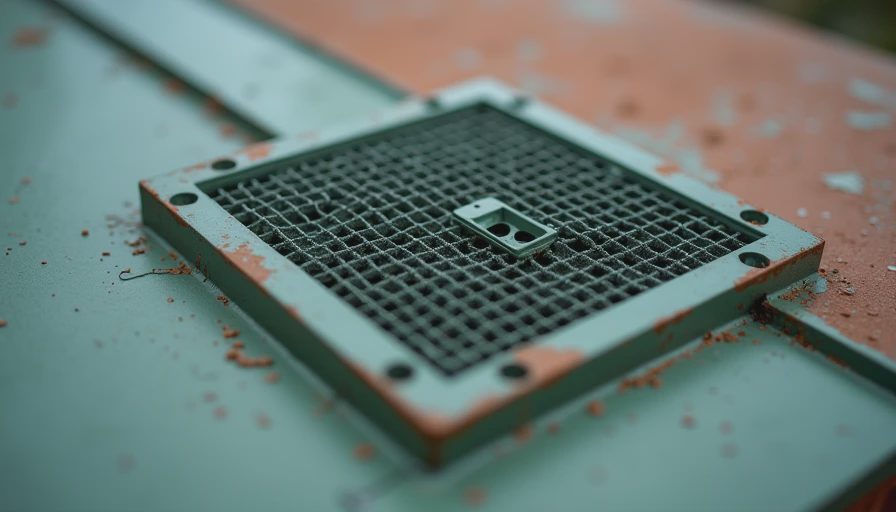
Ventilation problems that affect an aging roof
Poor attic airflow can contribute to high summer temperatures and moisture buildup, although it is rarely the only cause of a roofing failure. Bathroom fans that terminate in the attic, unsealed ceiling penetrations, inadequate insulation, and roof leaks can all create similar symptoms. A gable vent should be part of a whole-attic diagnosis rather than treated as a magic fix.
In cold climates, warm moist air that reaches the roof deck can condense during freezing weather. In hot, humid regions, outdoor air and indoor moisture can produce different problems. A contractor should identify the source with a visual inspection, moisture readings when appropriate, and a review of intake and exhaust paths. Adding a powered fan without adequate intake can depressurize the attic and pull conditioned air from the house.
The best repair may involve clearing blocked soffits, adding baffles, sealing ductwork, improving insulation, and repairing the gable vent together. Ask for photographs from the attic, not only a sentence on the estimate saying “improve ventilation.”
Insurance, warranties, and contractor questions
Homeowners insurance generally responds to sudden covered damage, such as wind or hail, rather than gradual deterioration, poor maintenance, or normal aging. A damaged gable vent after a storm may deserve documentation, but coverage depends on the policy, cause of loss, deductible, and adjuster review. Photograph the exterior and attic before temporary repairs, and keep invoices for emergency work.
Roof and solar warranties can overlap in confusing ways. A roofing warranty may cover installation defects, while a solar installer warranty may cover panels, inverters, or workmanship on its mounting system. Neither automatically covers every leak near an attachment point. Get the parties to explain, in writing, who removes panels for roof service, who pays for reinstallation, and how ventilation repairs are handled.
Before signing, ask five practical questions: Is the opening structurally sound? Is the screen included? What flashing or weatherproofing will be installed? Will attic airflow be measured or simply guessed? If solar is planned, will the roof work be completed and documented first? Clear answers are more valuable than a glossy product brochure.
A sensible homeowner path forward
Begin with photographs and a roof-and-attic inspection. Record the vent size, material, visible damage, nearby water stains, and the approximate age of the roof. Then request an itemized repair estimate and a separate roof replacement estimate if the surface is aging. If solar is part of the plan, share both documents with the solar designer before accepting a production estimate.
A sound gable vent can remain in place through a roof replacement, while a failing one is usually cheapest to correct when crews already have access and matching trim is available. The goal is not to install the most expensive ventilation system. It is to create a dry, balanced attic and preserve a clean chain of responsibility between roofing and solar contractors.
A combined project can save money—or hide confusion. Don’t bundle confusion into the biggest check you write this year. Fix the roof conditions first, document the work, and let the solar math follow the actual condition of the house.