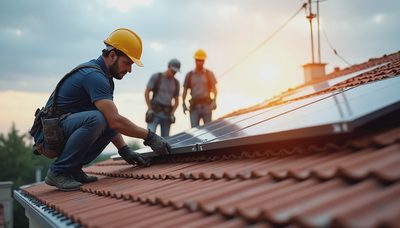

Hail and high wind are normal risks for roofs in many parts of the country. Adding solar does not remove those risks; it changes how damage is assessed, how claims are handled, and which warranties respond. Most of the anxiety homeowners feel after a storm comes from discovering—too late—that the roof warranty, the solar warranty, and the insurance policy do not line up the way they assumed.
The time to clarify those boundaries is before any contract is signed, not after the first severe weather event.
What actually happens in a storm-damage scenario

When hail or wind damages a roof that also carries solar equipment, several questions appear at once:
Is the damage primarily to the roofing surface, to the solar equipment, or to both?
Does the roofing warranty still apply once solar attachments or integrated products are present?
Does the solar workmanship or product warranty cover weather damage, or only manufacturing and installation defects?
How does the homeowners insurance policy treat the roof and the solar system—together or as separate items?
Who is responsible for temporary protection, for removing and reinstalling panels if the roof must be replaced, and for the cost of that work?
If these points were never documented, each party has room to limit its exposure. The homeowner is left coordinating between insurer, roofer, solar company, and manufacturers while the house remains vulnerable.
Roof warranties after solar is added
Many conventional roofing warranties restrict or exclude coverage when the roof is later penetrated or modified by others. Even when the warranty remains in force, the manufacturer or installer may argue that the solar attachments contributed to the failure. Integrated solar-roof products carry their own weather and performance warranties; those documents need to be read for storm-related exclusions, impact ratings, and claim procedures.
Key questions to resolve in writing:
Does the roofing warranty remain fully in effect after solar installation?
What methods of attachment or flashing are required to preserve that warranty?
Who is authorized to perform repairs under the warranty once solar equipment is present?
Solar product and workmanship warranties
Panel and inverter warranties typically cover manufacturing defects and performance degradation, not physical damage from hail or wind. Workmanship warranties from the installer cover installation errors, not acts of nature. Some manufacturers offer optional hail or impact ratings; those ratings have specific test standards and do not mean the system is immune to damage.
Clarify:
What, if anything, the solar warranties cover in the event of storm damage.
Whether the installer will return to assess and document damage at the mounting points and flashings.
How claims are handled if both the roof surface and the array are affected.
Insurance treatment
Homeowners policies vary. Some carriers include the solar equipment under the dwelling coverage; others require it to be scheduled separately. Deductibles, replacement-cost versus actual-cash-value terms, and any roof-specific limitations (especially on older roofs) all affect the outcome of a claim.
Before work begins:
Notify the insurer of the planned roof work and solar addition.
Ask how the solar equipment will be covered and whether any policy changes or documentation are required.
Confirm whether a roof of the age and type you will have after the project carries any special limitations for wind or hail claims.
After a storm, prompt documentation (photos, dates, and notices to all parties) is essential. Delays or incomplete notices can complicate recovery.
Removal and reinstallation costs
If the roof is damaged badly enough to need replacement, the solar array usually must be removed and later reinstalled. That labor cost is significant and is not automatically covered by every policy or warranty. Some insurers will address it; some solar contracts are silent; some warranties are voided if the system is removed by others.
Get clarity in advance on:
Who pays for removal and reinstallation if the roof must be replaced because of storm damage.
Whether the original solar installer is required (or even willing) to perform that work years later.
What happens to the solar workmanship warranty if another company handles the removal.

Practical steps before you sign
Read the roofing warranty, the solar product warranties, and the installer’s workmanship warranty side by side. Note every exclusion related to weather, modifications, or subsequent work.
Ask the roofing and solar parties to state in writing how storm damage at the interface of the two systems will be handled.
Contact your insurer, describe the planned work, and get written confirmation of how the policy will treat the completed roof and solar equipment.
Confirm impact or hail ratings for the specific products being proposed if you live in a high-hail area, and understand what those ratings actually mean.
Include a simple contingency understanding in the project file: if a future storm requires roof work under the array, here is the expected process and the parties involved.
Bottom line
Hail and wind will test both the roof and the solar system. Warranties and insurance policies are not designed to eliminate that risk; they allocate it. When the allocation is left vague, the homeowner absorbs the friction and often part of the cost.
Clarify the boundaries while everyone is still competing for the job. Once the equipment is on the roof and a storm has passed through, your leverage to redefine responsibility is much lower. The goal is not zero risk—that does not exist. The goal is knowing, before you sign, who responds when the weather does what the weather does.